Keeping Changing Rooms Warm Without Killing Your Heaters
Let’s be honest: changing rooms and wet areas are a nightmare for electronics. Between the steam and the random splashes of water, a standard radiator usually stands no chance. They rust, they short out, and they just plain quit. We figured out a better way to handle this by pairing shortwave infrared tech with a rugged IP55-rated shell.
Heat that actually hits you
Most heaters try to warm up the air. In a drafty changing room, that’s a losing battle because the heat just floats away. Infrared is different. It sends energy straight to your skin. We use quartz-halogen elements that get screaming hot in a few seconds. You know that feeling when you step into a cold room and suddenly feel a wave of warmth hit your shoulders? That’s this. You aren’t wasting money heating the air; you’re heating the person.
Dealing with the moisture
The “IP55” part is basically a fancy way of saying we’ve built a fortress around the electronics. It keeps dust out and handles water jets from any angle without breaking a sweat. We use industrial-grade gaskets to seal the chassis and a thick piece of tempered glass to protect the elements. This keeps the moisture from eating away at the reflectors or causing a short circuit. One quick heads-up: these units pull a lot of power to get that instant heat. Check your electrical panel before you install them. If your wiring is too thin, you’re going to be tripping breakers all day.
Making it work in the real world
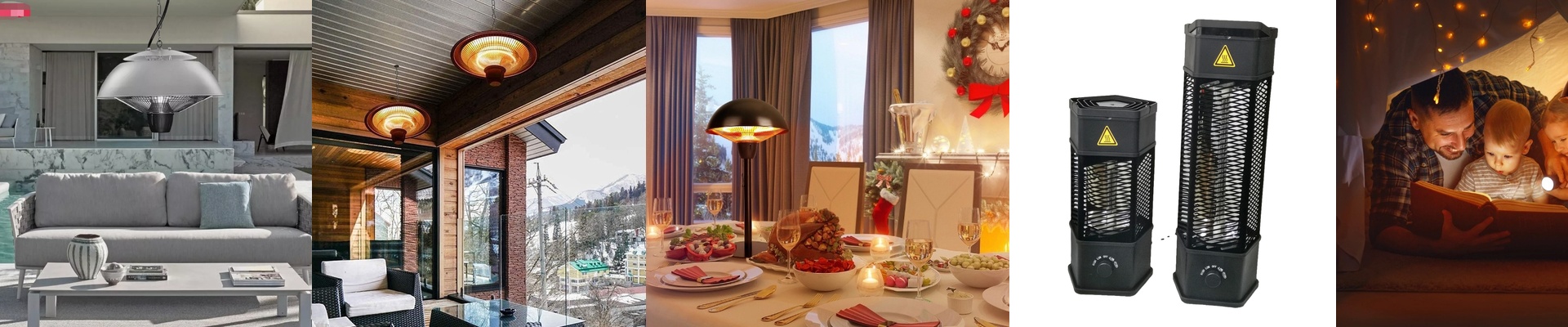
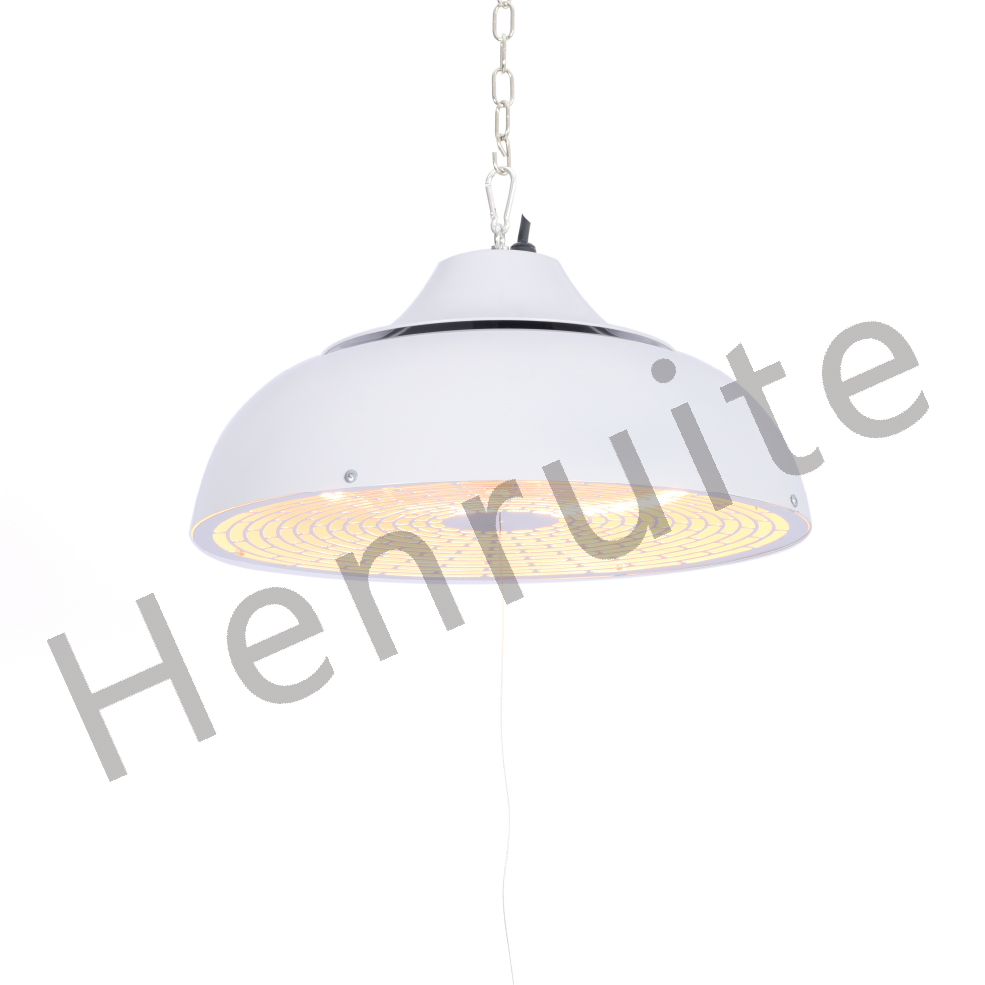
You can mount these on the wall or the ceiling, depending on how you want the heat to spread. Here’s the catch: because the beam is so focused, you can get “cold spots” if you step out of the line of fire. To fix that, just overlap the beams from two or more units. It creates a blanket of warmth instead of a single spotlight. And please, don’t just leave them running 24/7. Hook them up to a motion sensor or a timer. Your halogen tubes will last a lot longer, and your electric bill won’t give you a heart attack at the end of the month.