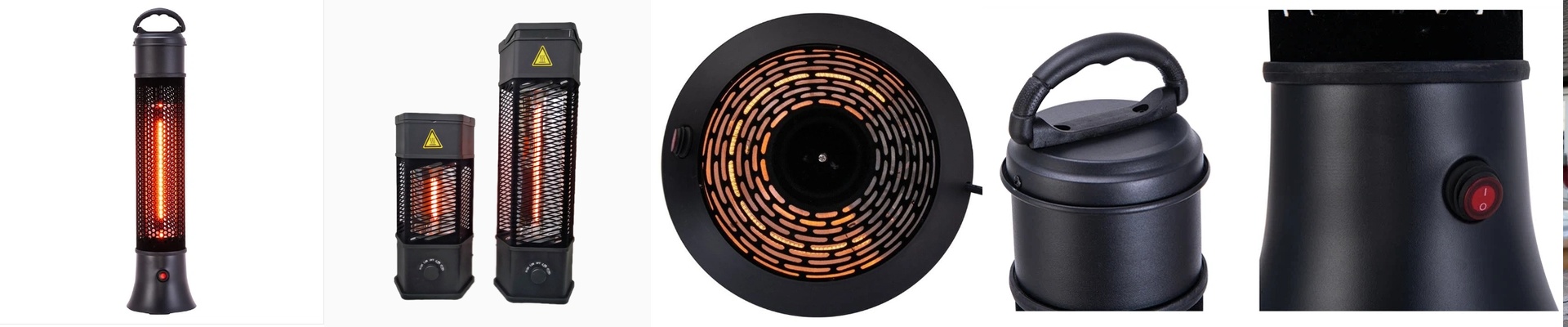
Why you actually need explosion-proof quartz tubes in wet spots
Think about where you’re putting your infrared heating lamps. Maybe it’s a chicken coop or a steamy bathroom. Either way, you’ve got high-wattage heat sitting right in the middle of a zone with crazy humidity and wild temperature swings. Standard glass just can’t hack it there. That’s why we stick with explosion-proof quartz. It stops a “bad day” from turning into a disaster when a splash of cold water hits a scorching hot surface.
The “Thermal Shock” problem
Here is the thing about quartz: it doesn’t freak out when the temperature changes. Imagine a lamp running at several hundred degrees. Now imagine a cold drop of water hitting it. Regular glass would contract too fast, panic, and shatter. It’s loud, it’s messy, and it’s dangerous. Quartz handles that shock without breaking a sweat. It stays intact. For you, that means no electrical shorts and no glass shards scattered across the floor. It’s basically your safety net.
What’s actually inside
We use high-purity synthetic quartz. Why? Because it lets the infrared heat pass right through. The heat goes where it’s supposed to—on the target—instead of getting trapped inside the tube. But the real secret is in the seals. Most cheap lamps fail at the ends. We use reinforced end-caps and seals that actually keep moisture out. If steam creeps into that filament chamber, the lamp is toast. Period. Our build stops that from happening.
A few things to keep in mind
These lamps work differently than a space heater. They don’t warm up the air; they warm up the stuff they’re pointing at. They’re amazing for targeted heat, but don’t expect them to turn a giant, freezing room into a sauna. And a quick pro tip on the setup: check your wiring. These things can pull a lot of current when they first kick on, so don’t go cheap on your breakers. Also, give them some breathing room. They get hot. Really hot. Keep them away from plastic fixtures unless you want a melted mess on your hands.