Why Your Bathroom Heater Keeps Dying (and How to Fix It)
We’ve all been there. You step out of a hot shower, the air is freezing, and you flip on that old-school heat lamp. Maybe it flickers. Maybe it takes forever to actually feel anything. Or, more likely, it just burns out after a year because it can’t handle the steam. Most of those old quartz tube heaters are barely sealed. They aren’t built for a room that’s basically a sauna. That’s why more people are switching to IP66-rated infrared systems. They’re built to actually survive the moisture.
The Deal with IP66
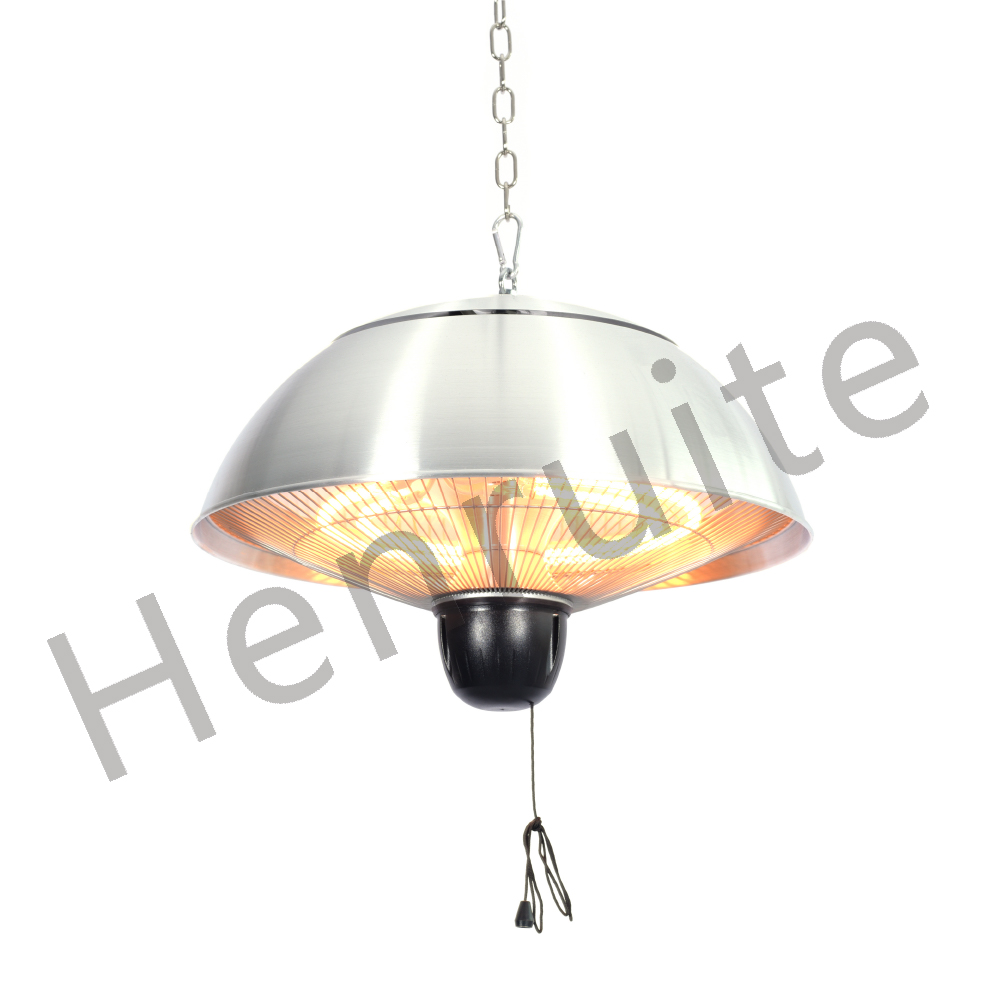
When you see “IP66,” don’t get bogged down in the technical manual. Just know it means the thing is dust-tight and can handle a serious blast of water without blinking. But here’s the real secret: it’s not just about stopping a short circuit. It’s about the mirror. Inside these heaters, there’s a reflector that pushes the heat down toward you. In a cheap heater, steam leaks inside and clouds that mirror. Once that happens, the heat doesn’t “throw” anymore. The unit has to work twice as hard, gets way too hot, and eventually just gives up.
Instant Warmth, No Waiting
Standard heaters try to warm up the air in the room. That takes forever. Infrared is different. It doesn’t care about the air; it goes straight for you. The second you turn it on, you feel that warmth hitting your skin. It kills that “cold shock” feeling the moment you open the shower curtain. It’s immediate.
A Few Things to Watch Out For
If you’re planning to swap your old unit for one of these, there are two things you need to know. First, don’t cut corners on the wiring. These things pull a lot of power. If you use cheap connectors or an under-powered circuit, you’re going to see flickering or, worse, a voltage drop that kills the unit. Get a dedicated circuit and do it right. Second, check your ceiling space. Because these are sealed up tight with heavy-duty gaskets to keep the water out, they’re often a bit bulkier than the old lamps. They also need room to breathe. If you jam the heat sink against the roof of your ceiling void without any ventilation, the electronics will cook themselves from the inside out. Give it some breathing room, and you’ll have a heater that actually lasts.