

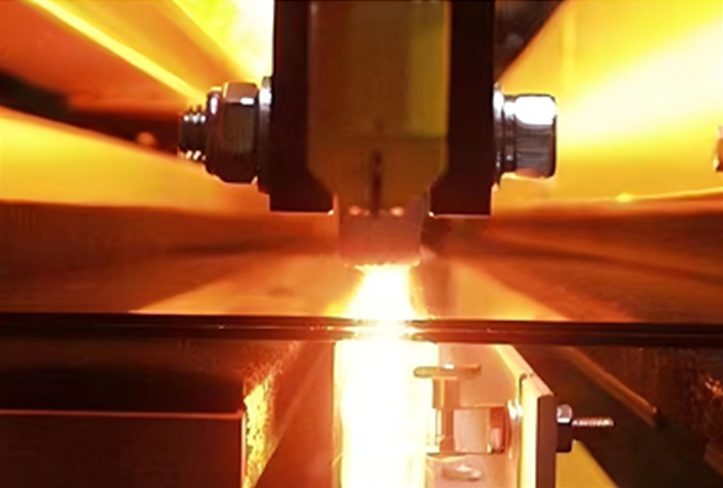
On the insulating glass line, the spacer bonding step is where you either lock in yield or watch it slip away. Crank the convection heat too high and you get edge warp. Starve the heat and the adhesive under-cures—bubbles, weak seals, and a headache on the other side. When the heater lags, the whole line sits and waits. We built our spacer bonding infrared heater to hit that sweet spot clean. The heart of it is directional short-wave infrared inside a controlled thermal field. Quartz elements snap to temperature fast, so the module recovers between cycles without wasting time idling. The reflector geometry focuses the energy where it needs to be—right on the spacer and the primary seal path—so you don’t throw extra heat onto the glass skin and invite thermal stress. In practice, that means the bond line temperature holds steady across the frame width, and cycle times stay consistent even when ambient conditions drift. Why it fits inline is straightforward: it moves at the pace of insulating glass assembly, and it follows the geometry. You get repeatable cure without chasing hot spots, so you cut rework from poor adhesion and edge defects. Energy use drops because the heat only comes on when the spacer is in position, not when the conveyor is running empty. And the module drops into standard mounting footprints, so you can swap out an aging unit without reworking the station. Installation is simple, but alignment is where you earn it. The heater has to be set so the focal line lands exactly on the bond interface, and the distance to the work needs to stay within the specified window to keep uniformity. Keep the reflectors and windows on a regular inspection—dust and residue scatter the output and skew the profile. When you keep it maintained, the unit runs long shifts with stable output. Fewer rejects. Steadier throughput.