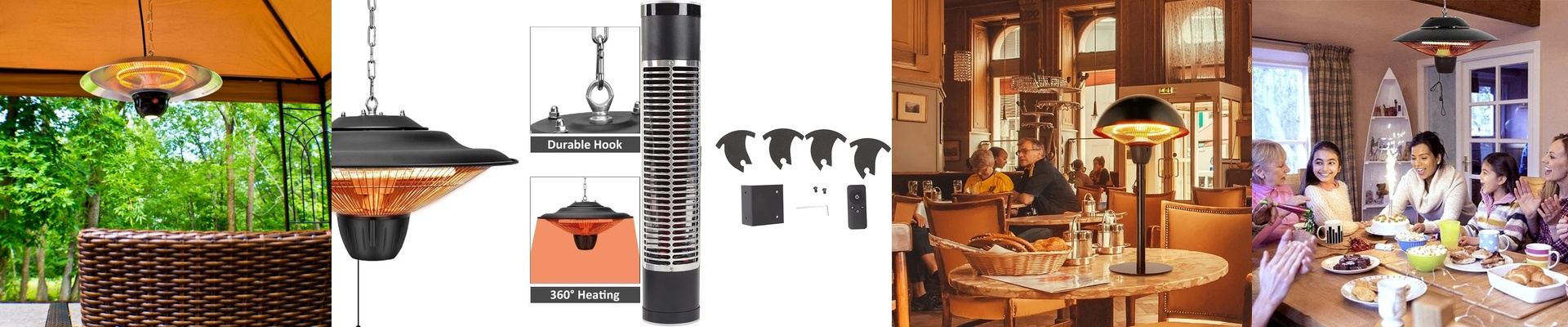
After spending time in 2,000 European homes, one thing was obvious: people want their outdoor areas to be as livable as their indoor rooms—without waiting around for the air to cooperate. A chilly evening shouldn’t shut down a conversation on the terrace, and comfort shouldn’t come at the cost of the energy bill. That’s exactly why we built our wall-mounted outdoor heater around infrared warmth. Radiant heat goes straight to people and objects, not up into the sky.
What actually matters under the hood
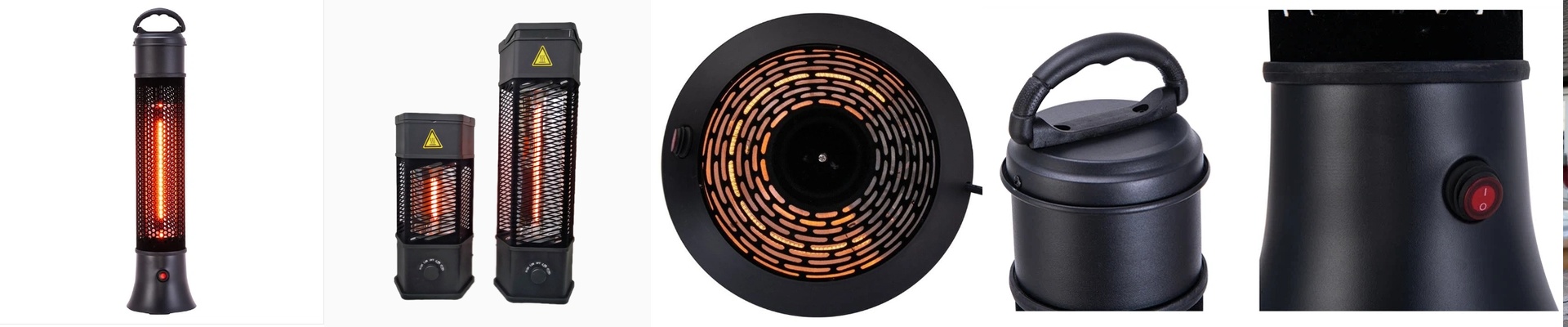
We run a carbon fiber element inside a high-transmission quartz tube, so the infrared warmth feels immediate. It’s a fast-response setup—comfort starts arriving in seconds, not minutes. The unit runs on standard 220–240V, so it can be wired using common household lines, and the slim profile keeps it low-profile on a wall or tucked under a soffit. Inside, we include a built-in thermostat to keep things steady, plus tip-over protection for peace of mind. The front is shielded by a tough outer guard, and the electrical compartment is sealed to an IP rating rated for outdoor use—meaning it’s built to handle rain and spray. Heat output is tuned for patios, balconies, and covered seating areas: enough reach to keep a group comfortable, without turning the heater into a blinding spotlight.
Why this approach fits real European outdoor living
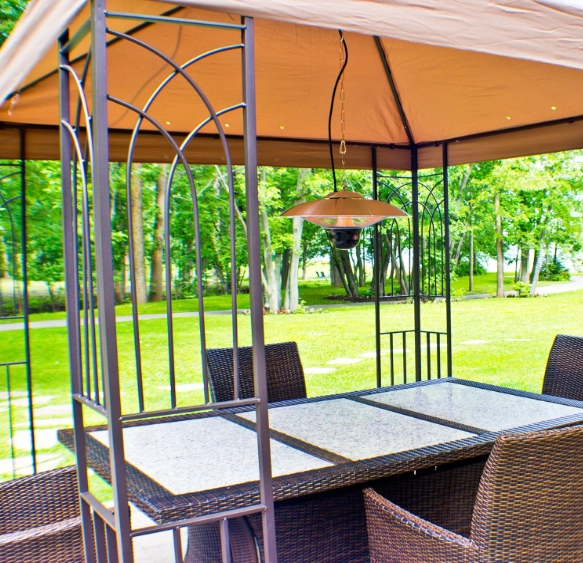
Outdoor spaces over there are often compact and sheltered—small terraces, narrow balconies, a protected corner by the kitchen door. In those spots, trying to heat the air is slow and wasteful. Infrared changes the feel. The moment the heater is on, you feel warmth, so you can actually step out for dinner, a coffee, or a late-night chat without hesitating. Because the warmth is directional, it stays where you want it—around the table, not all over the yard. That focus makes the area feel cozier and more intimate, and it keeps energy use predictable. You’re not heating the whole neighborhood, just the spot you use.
The practical details you need to get right
This wall-mounted outdoor heater is intended for dry, covered areas or sheltered outdoor spots. It performs best when mounted at a height that directs warmth toward the seating. Aim the infrared coverage over the main gathering area, and avoid pointing it directly into people’s eyes. Installation calls for a dedicated circuit, and the power connection point needs proper weatherproofing. For a clean, code-compliant setup, bring in a qualified electrician.