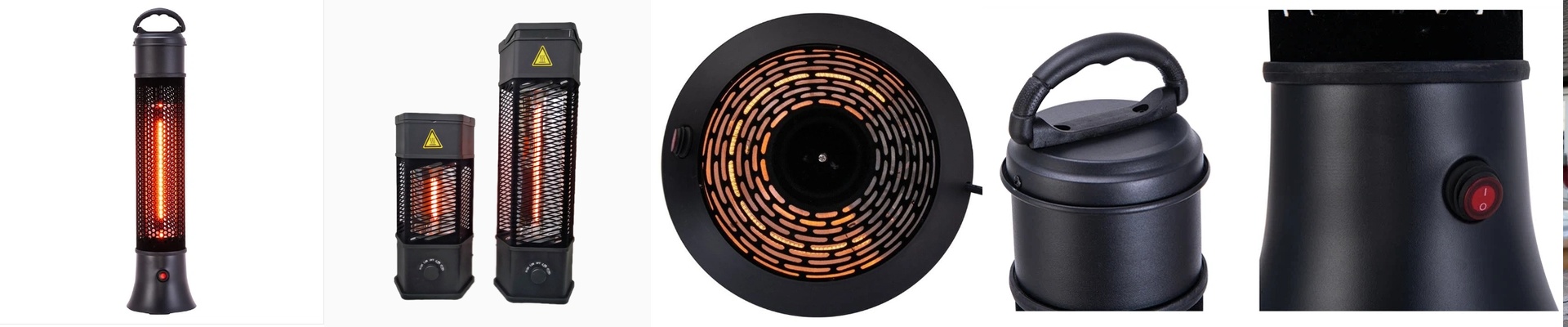
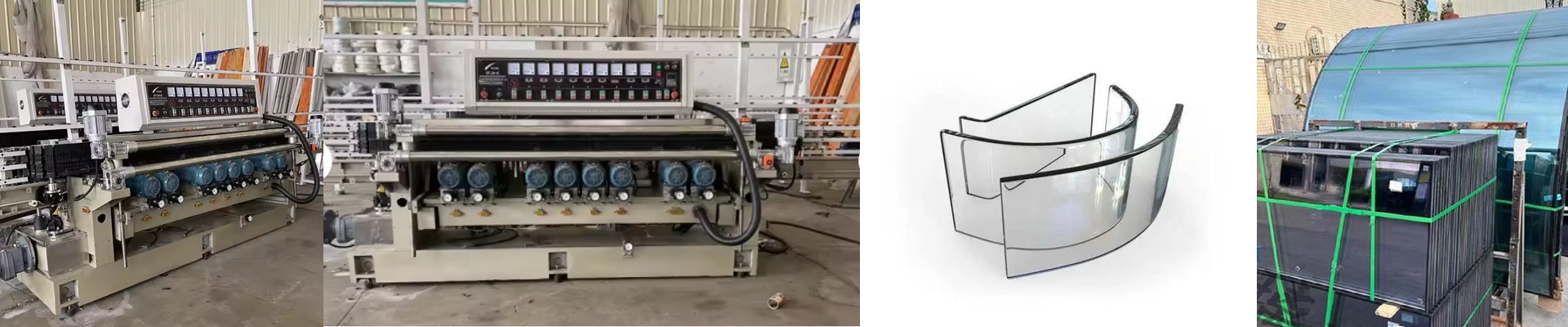


On the glass line, heat isn’t just a setting—it is the process. A lazy ramp-up in the bending furnace eats your cycle time. A tempering oven with an uneven profile gives you optical distortion and sets you up for thermal stress fractures. And when coating drying chases convection instead of controlling emissivity, you burn energy and trap solvents. When the heat strategy misses, you pay in scrap, rework, and ship dates you can’t make. What matters, technically Quartz heaters bring fast, direct radiant heat—high power density, low thermal mass. We design the quartz element so emissivity stays stable across the glass absorption band, steering energy into the glass, not into heating air. Short-wave and medium-wave options let you match absorption for low-e coatings, tinted substrates, and interlayers. Industrial modules typically run 400–800°C surface temperature, with tight zone control to keep the thermal field flat. That’s what buys you repeatable ramp rates, predictable soak times, and fewer stress-induced failures. Here’s why it works in glass: the heating profile has to follow the chemistry, not the other way around. For tempering, uniform surface heat makes quenching consistent, so the break pattern holds and yield improves. In bending, tight zone control cuts slump variability and edge roll, which means less optical distortion. Coating drying and curing need rapid response to keep line speed up—without overheating the substrate or trapping moisture. Lamination and IG sealing demand stable, repeatable heat to drive EVA/SGP/PVB flow and secondary sealant cure without bubbles or adhesion loss. Quartz heating gives you that control, plus quick start-up and fast corrections when glass geometry or ambient conditions shift. A few shop-floor realities. Quartz heaters are particular about mounting and clearance. Mount them securely with even spacing so you don’t create hot spots, and keep reflectors clean and aligned so the profile stays where you set it. Terminal temperature limits and coolant flow matter—run the housing too hot and you shorten element life. If you’re retrofitting an older oven, expect some variation; a short commissioning run to map emissivity, zone balance, and ramp rates is normal. Plan for proper insulation and shielding to protect adjacent components. When everything lines up with the process, you stop chasing the curve. Adjustments get fewer, output stays stable, and the glass coming off the line is consistent.