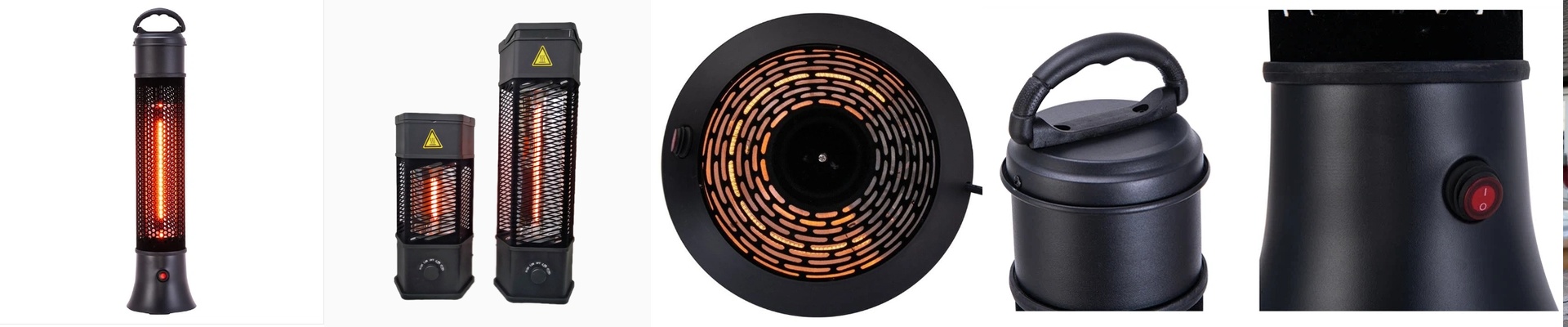
Step outside on a still evening, and the cold hits you hard. The wrong patio heater leaves you twisting in your chair, chasing that one warm spot while your legs stay chilled. So we reworked the reflector, because with far infrared warmth, the beam path matters as much as the element.
What matters under the hood
Far infrared heaters deliver comfort by radiating heat straight to people and surfaces, not by warming the air. The carbon fiber element or quartz tube puts out long-wave energy that feels gentle and penetrating, relaxing muscles without glare. The lever that really moves performance is the reflector. We shape it using geometric optics—multi-facet profile, tight focal control—to collimate the beam and spread it evenly. Precision stamping and a high-reflectivity surface cut stray light and keep output where you need it. That gives you a more uniform footprint and less wasted energy. Pair that with an electric heater core rated for consistent output, and you get predictable warmth that responds quickly, with zero fan noise.
Why this matters on the deck
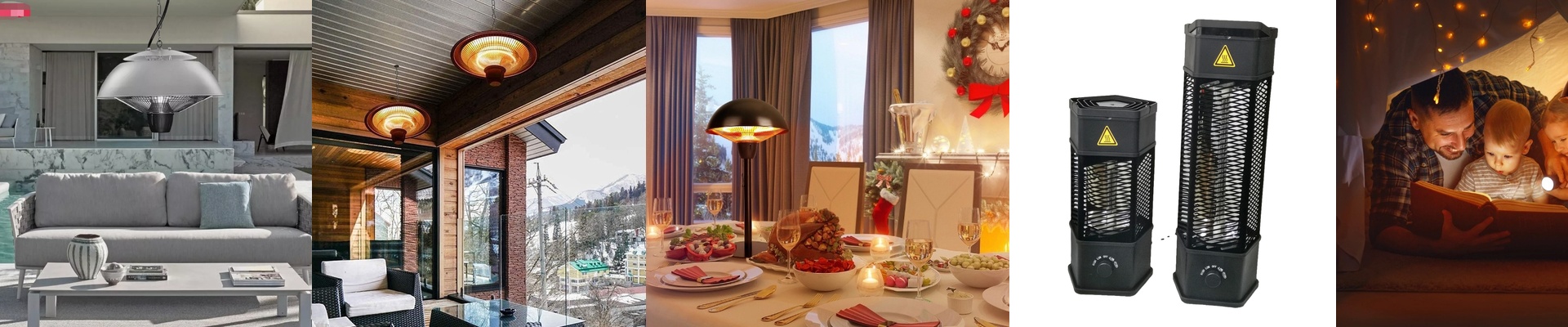
Whether you’re on the deck, in the sunroom, or beside the pool, the goal is even warmth across the whole seating area. Our reflector design smooths out hot spots and cold bands, so comfort feels steady from head to toe. Because more energy lands on targets and less spills away, the heater can run longer cycles with lower overall draw. That helps keep energy bills in check. The radiant profile also warms table tops and chair surfaces, so people actually linger. In practice, you notice fewer drafts, more stable temperatures, and a cleaner setup—no bulky ducts, no noisy blowers.
The practical details
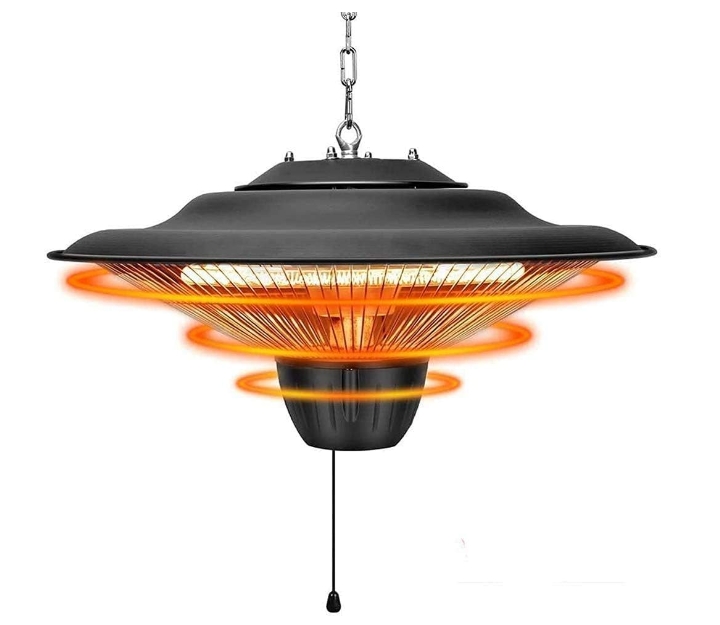
Even good optics need smart placement. Aim the heater 6 to 8 feet above the seating area, and angle it to cover the intended footprint. Keep the beam off reflective surfaces that can bounce glare back. For outdoor use, pick a model with proper weather protection, and follow the IP rating and clearance guidance. Because radiant heat warms objects directly, the ambient air reading can be cooler than the surface warmth you feel. That’s normal. Plan for a dedicated outlet and stable mounting. If you want consistent control, consider pairing the unit with a thermostat.