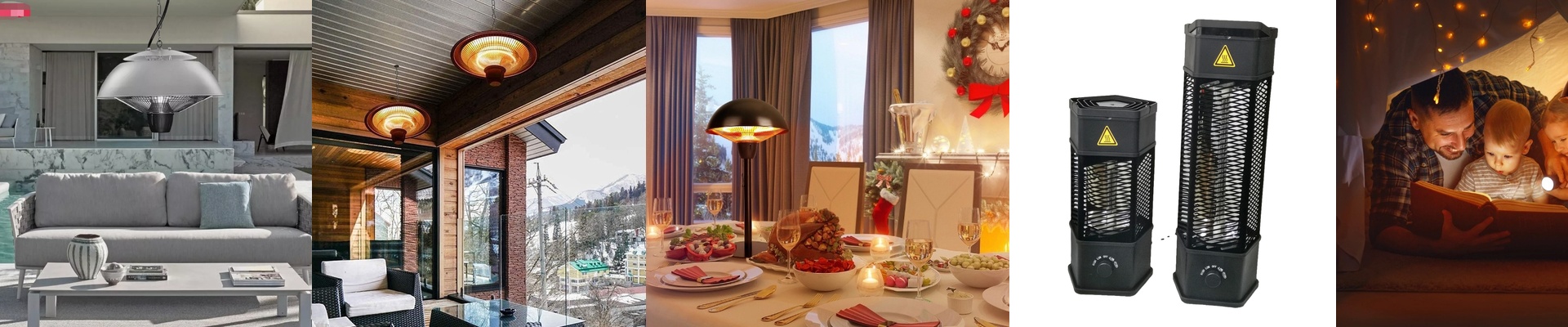
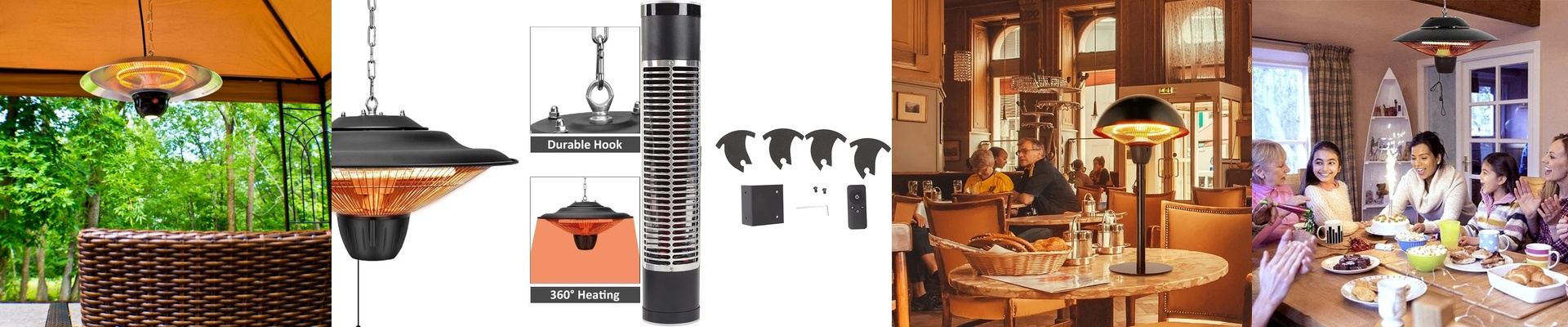
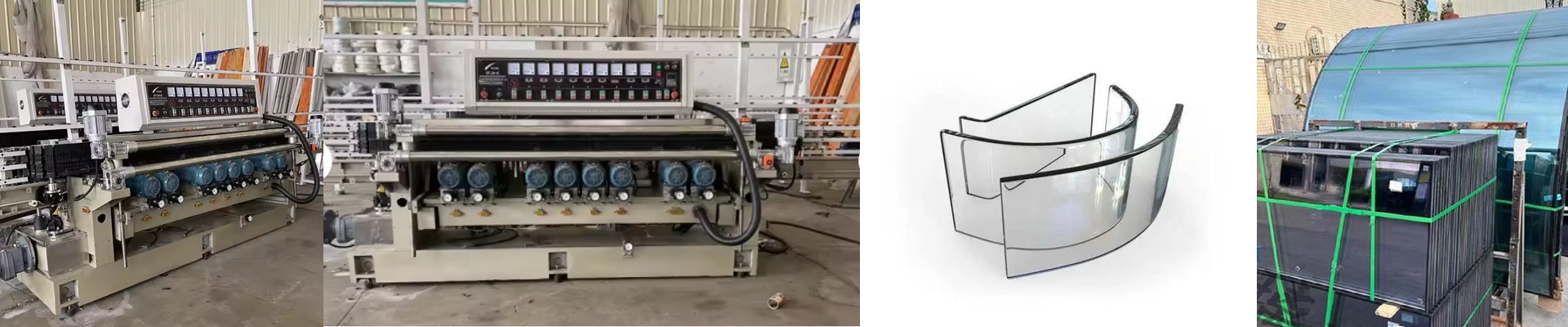

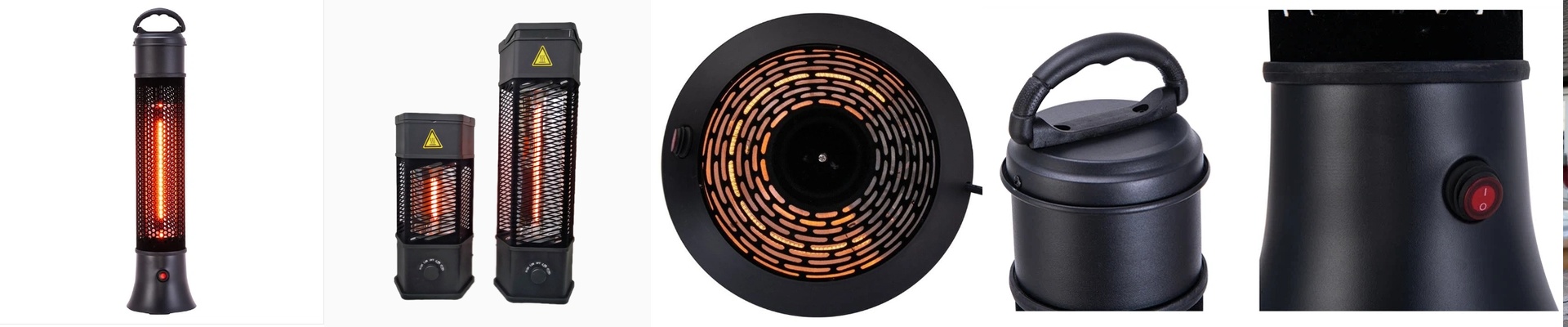
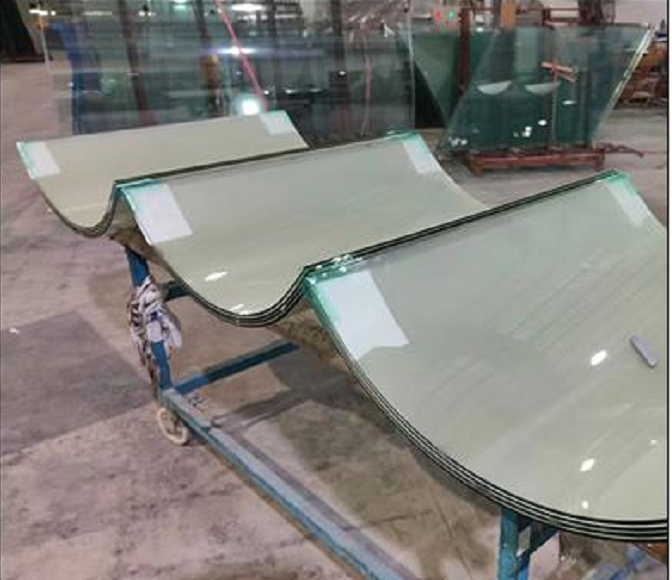
On the glass line, heat sets the tempo. If the heater can’t keep up, you feel it fast—uneven tempering across the sheet, bending cycles that drag and back up the furnace, lamination voids that send parts back through, and coating drying that chases spec instead of holding it. Then you add in downtime for replacements, and the costs compound. What you need is heat that comes on quickly, lands where it should, and stays stable shift after shift. Carbon fiber infrared heaters were built for that reality. They deliver focused energy with a thermal profile that’s easier to control than broad convection, and the electrical-to-thermal response keeps your process windows repeatable.
What actually matters
Carbon fiber infrared heaters come up to output almost instantly, with high emissivity and fast thermal response. In practice, that means when the controller calls for a change, the temperature follows without a long lag. On glass lines where timing is set by heating ramps and soak windows, that responsiveness is the difference between a line that flows and one that waits. The performance drivers are straightforward:
- **Wavelength and response:**Carbon fiber elements emit in the near-infrared, so the heat penetrates coatings and warms glass surfaces efficiently. The fast response cuts idle time spent waiting for the heater to stabilize.
- **Thermal uniformity:**A well-designed carbon fiber panel lays down a more even radiant field than many point-source lamps, which helps reduce hot and cold spots that can drive thermal stress or uneven curing.
- **Efficiency by design:**Radiant heat transfers energy directly to the target, so you’re not dumping most of it into the surrounding air. That lowers the load on plant HVAC and cuts the energy spent compensating for convective losses.
- **Durability under cycling:**Carbon fiber elements handle repeated start-stop cycles without the brittle failure modes you see with some quartz lamps. On high-throughput lines, that means fewer interruptions for lamp changes. We size these heaters for the job: power density matched to glass thickness and line speed, voltage matched to the supply, and dimensions and mounting fitted to the existing machine footprint. Connection options are chosen to match what you already have at the terminals and in the clearances, because swapping hardware shouldn’t force you to redesign the line.
Where it earns its keep
Carbon fiber infrared heaters fit the spots where glass processing depends on predictable heat. **Tempering and bending furnaces.**Tempering demands rapid, uniform heating followed by a controlled quench. If the heating zone drifts, surface compression goes inconsistent and fracture risk climbs. Carbon fiber heaters pull the furnace zone back to setpoint quickly after door cycles and hold tighter spatial uniformity across the glass. The payoff is fewer off-spec sheets and more consistent break patterns. **Lamination presses.**In EVA and SGP lamination, the adhesive has to hit flow and consolidation temperatures without scorching the interlayer or starving the bond. Radiant heat from carbon fiber panels can be tuned across zones to match the press profile. Faster stabilization shortens cycle time and boosts throughput, while controlled peak temperatures protect optical clarity and edge quality. **Coating drying and curing.**Thin-film coatings don’t forgive overshoot or uneven drying. Carbon fiber infrared heaters deliver a stable, repeatable heat profile that dries the coating evenly, cutting pinholes, haze, and adhesion issues. The fast response gives you tighter control of dwell time, so color and performance specs stay consistent across production lots. **Insulating glass sealing.**Secondary sealing and edge bead curing need heat that follows the contour without overheating the primary seal. Carbon fiber heaters can be arranged to match the bead path, delivering consistent energy that speeds curing and reduces adhesion failures at corners and edges. **Automotive glass.**Windshields and sidelites move fast, and the heating stage has to keep pace without chasing temperature. Carbon fiber infrared modules stabilize quickly, so the line can hold pitch without sacrificing quality. That keeps scrap low and throughput high. Across these applications, the gains are practical: faster ramp-to-setpoint, tighter temperature control, lower energy draw per part, and fewer unplanned stops for heater changes.
The details that trip you up
Carbon fiber infrared heaters are engineered for direct compatibility, but plant realities still apply. **Equipment compatibility and installation.**We provide drop-in replacement kits for common glass machinery brands, with mounting patterns, clearances, and terminal configurations matched to the original heater footprint. The intent is to swap the heater without modifying the machine structure or rewiring the whole station. That said, retrofitting isn’t always plug-and-play. Some older controllers were tuned to the thermal inertia of a different heater type. When you change the heater, you may need to retune the PID or ramp profiles to take full advantage of the faster response. We provide parameter guidance to make that transition clean. **Electrical and thermal considerations.**Because carbon fiber heaters deliver rapid power, supply wiring and contactors have to be sized for the inrush and sustained load. If your plant sees voltage fluctuations, a stable feed prevents process drift. And keep reflectors and insulation clean and aligned—small gaps can shift the radiant field and create nonuniformity at the edge of the sheet. **Process integration.**Radiant heat performs best when the target geometry is consistent. If you run frequent shape changes with big swings in part exposure, you may need zoned control or adjustable shielding to maintain uniformity. Plan the heater layout around the parts you run most often, and the line spends less time chasing the process. If you run multiple glass processes on the same line, the adaptability of carbon fiber infrared heaters helps, but it still needs disciplined setup. Treat it like any critical process instrument: calibrate, document, and inspect. When heat is your bottleneck, the heater choice decides whether the line moves or waits. Carbon fiber infrared heaters give you the speed, control, and reliability to keep glass moving—without forcing you to redesign the machine around the heat source.