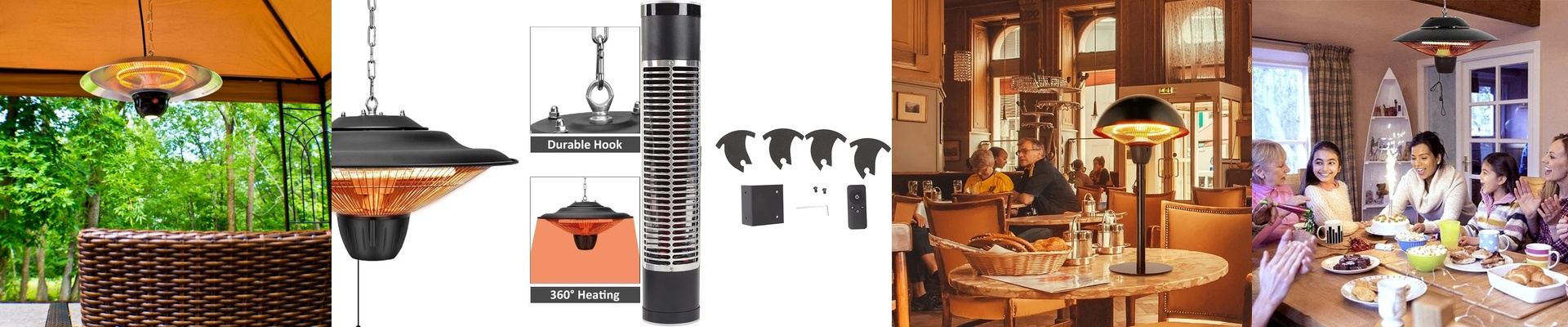
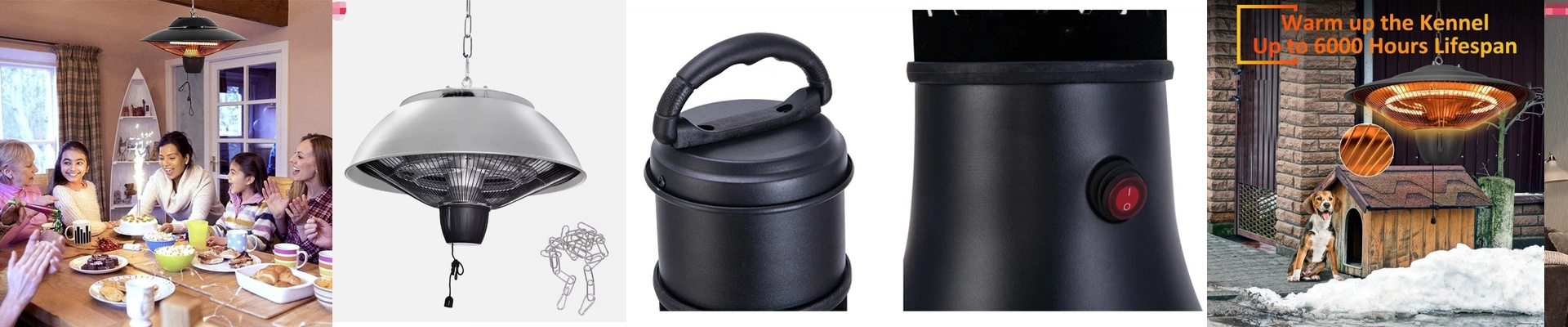
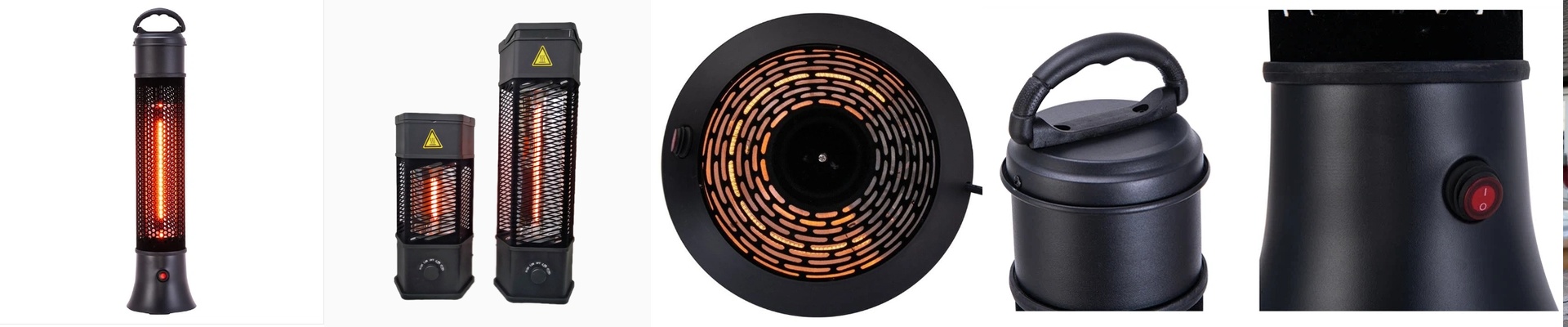
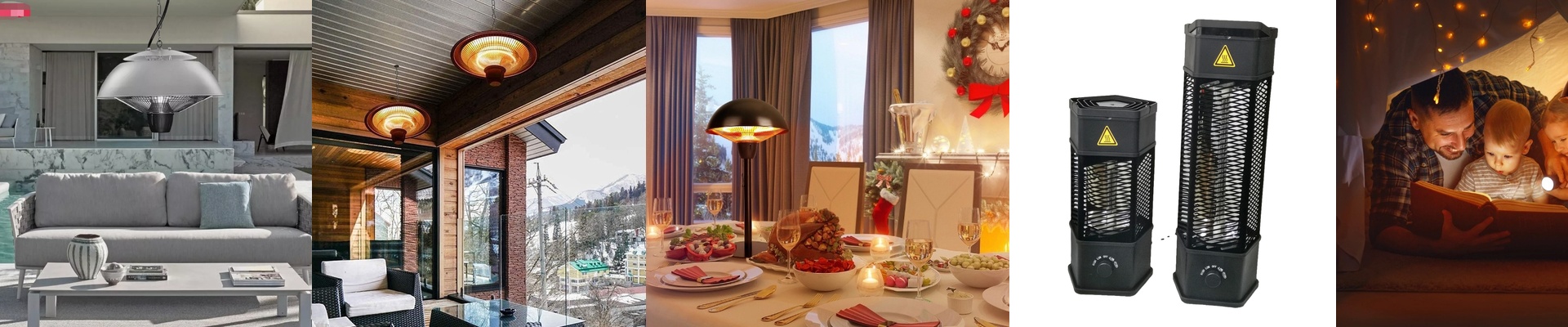
A cold attic does more than make a home feel drafty. It stalls projects, stiffens joints, and pushes warm air down, forcing the main system to run nonstop just to keep up. Step into an attic space heater that uses infrared warmth, and the difference hits right away—heat lands on surfaces and people, not just the air. It feels like stepping into sunlight on a cool morning: fast, directional, and genuinely comfortable.
What matters, technically
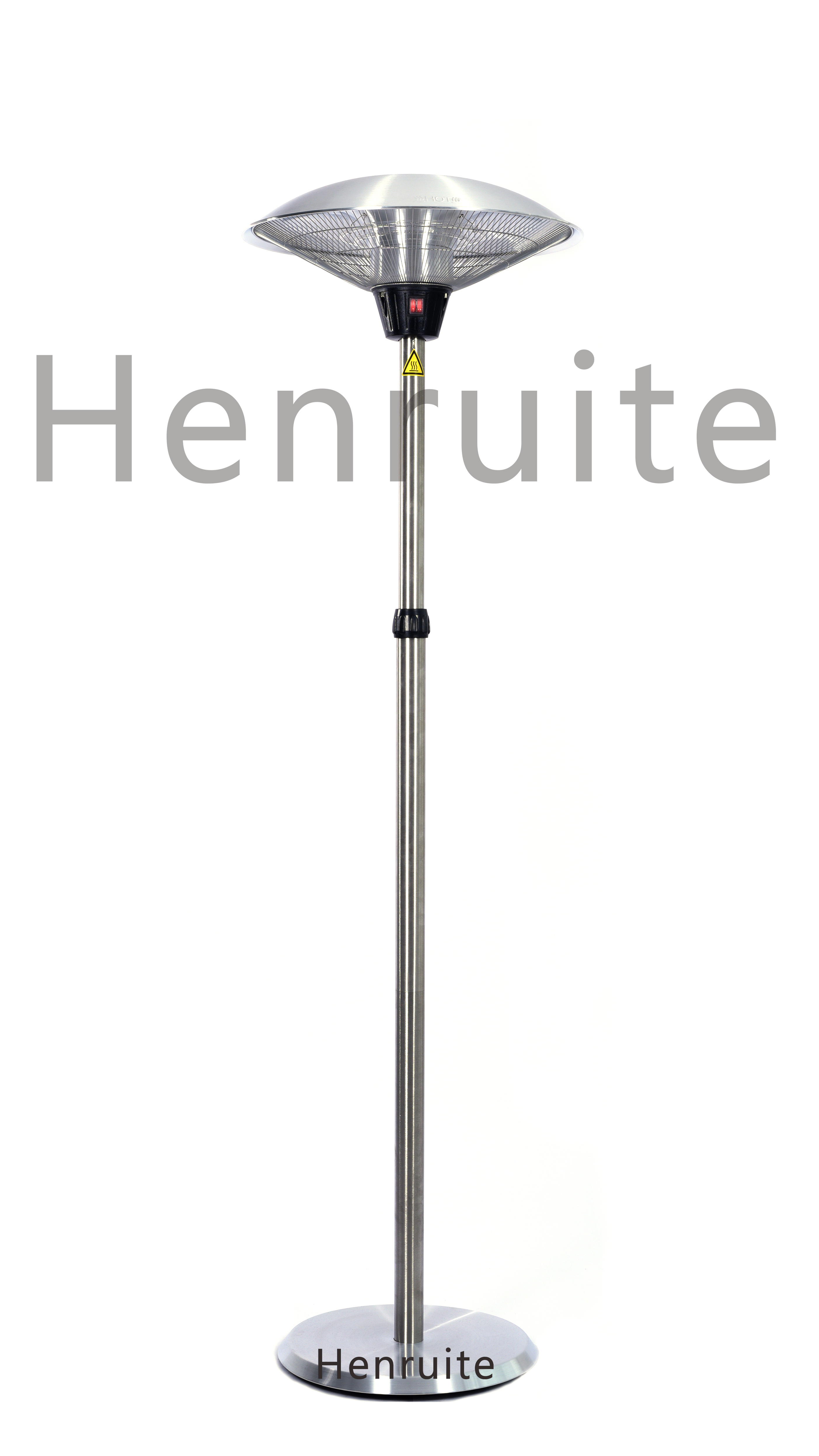
Infrared attic heaters deliver radiant heat, the same way the sun warms the earth. The core is a high-efficiency emitter—usually a carbon fiber element or a quartz tube—built to produce a broad, comfortable spectrum of infrared warmth. Most models run on a standard 120V household circuit, so installation stays straightforward, and they only draw power when heat is needed. A built-in thermostat holds the space at your set point, while tip-over protection and overheat protection add a practical safety layer. Look for an IP rating that suits indoor use with occasional humidity, and a protective grille that stays cool to the touch.
Why it works so well in an attic
Attics are tough to heat. They’re drafty, exposed, and often poorly insulated. Conventional heaters warm air that rises and slips right out through gaps. Infrared warmth targets the objects and people in the space, so comfort arrives faster—often within seconds. That means you can work, store gear, or spend time up there without waiting for the room to “fill” with heat. Because the heater doesn’t have to move big volumes of air, it can be quieter and more focused. It also helps prevent the main heating system from endlessly cycling to compensate for a cold zone.
The practical stuff to get right
Plan on a dedicated outlet, and keep clearances open around the unit—no stacking stored items right next to it. Infrared heat is line-of-sight, so aim the heater to cover your primary work or seating areas. If the attic is large or oddly shaped, a single unit can leave some corners cooler. Pairing it with a small fan can help distribute warmth more evenly, but the heater itself should still be placed where you need direct comfort most.