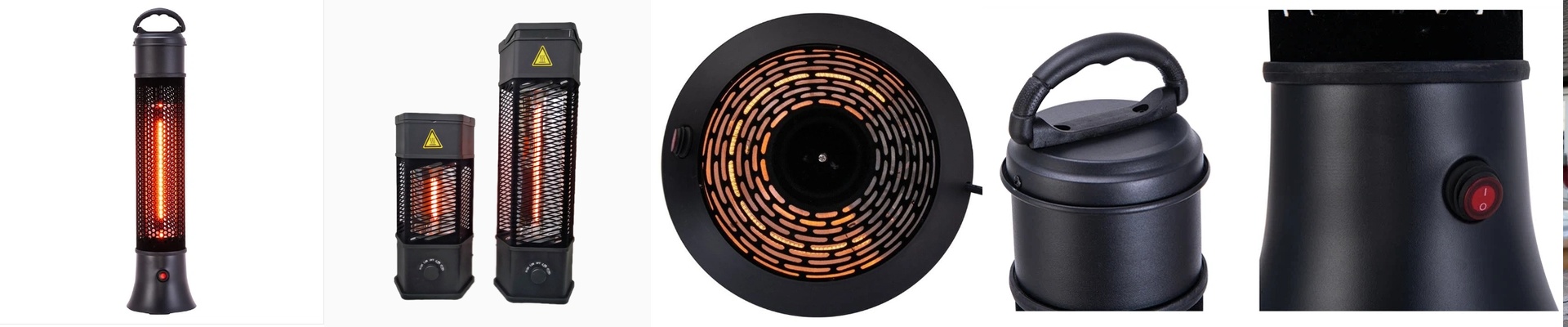


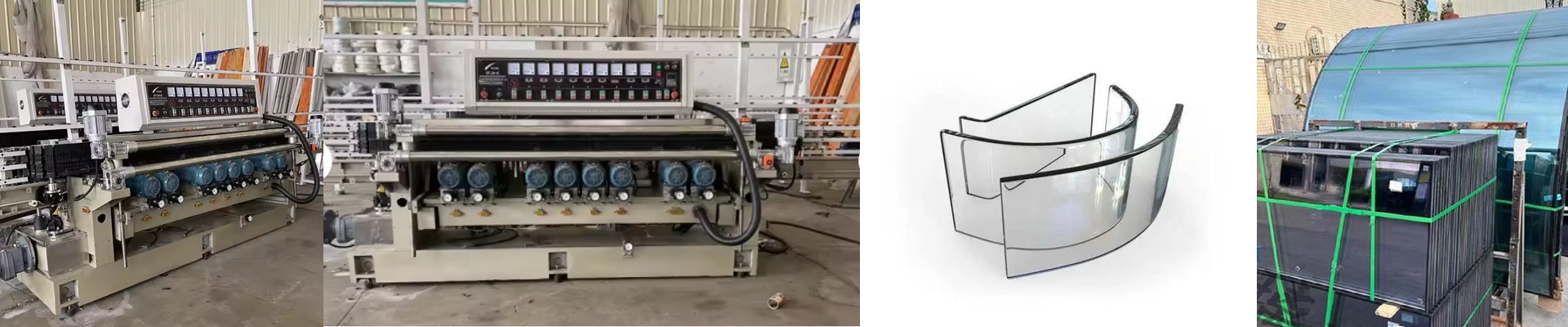
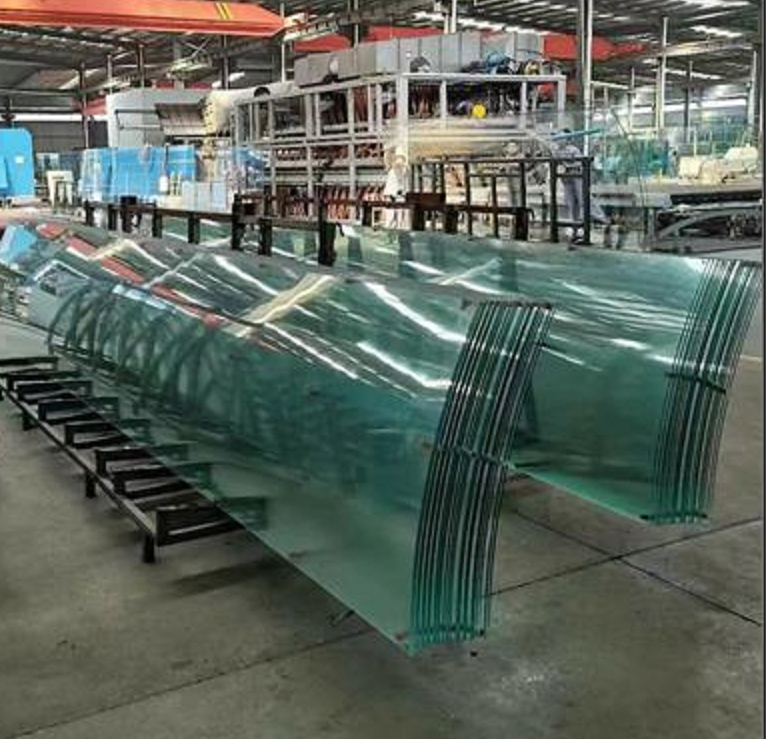
On the glass line, heat is more than temperature. It’s timing, uniformity, and repeatability—every time. A heater that’s slow to respond drags out tempering cycles, lets bending profiles drift, and turns stress relief into a crapshoot. Fast-response infrared radiators cut that lag and put control right where the process needs it. What matters under the hood We build these NIR (short-wave) infrared radiators with a quartz envelope and a high-emissivity filament, so energy goes straight into the glass with minimal convection. They hit full output in seconds, and they adjust in sub-second steps when the recipe changes. The thermal field stays even across the hot zone—critical when you’re holding flatness through a bend or keeping coating cure consistent. Power density is matched to industrial duty: enough punch for high-throughput lines, and stable enough to run 24/7. Why this plays where the work is In tempering, you need fast, controlled heating to hit the quench window without torching the edges. In bending, you need the glass to hit the set contour quickly so sag and spring-back stay predictable. With lamination—EVA, SGP, PVB—the adhesive flow and degassing window are tight. Fast, stable heat keeps voids down and yield up. For insulating glass sealing, uniform heat helps the secondary sealant cure evenly, which supports long-term seal integrity. The same module handles annealing and stress relief, because the ramp and hold are repeatable. The field notes that actually matter These radiators drop in as replacements, but alignment and reflector condition make or break the result. Verify focal distance and hot-zone coverage for your specific glass thickness and coating emissivity. You’ll see faster cycling and lower energy draw per part. Plan maintenance around filament life and keeping the quartz clean, so output stays steady.