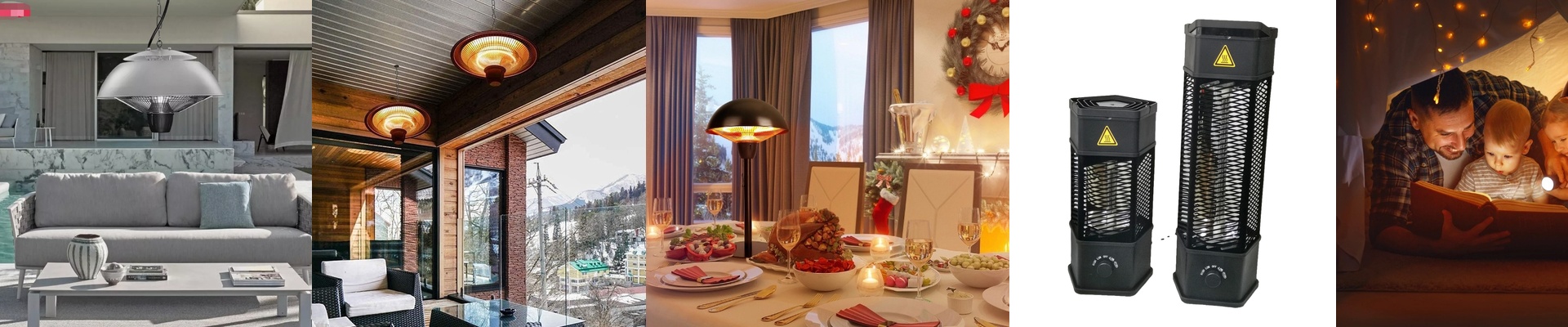
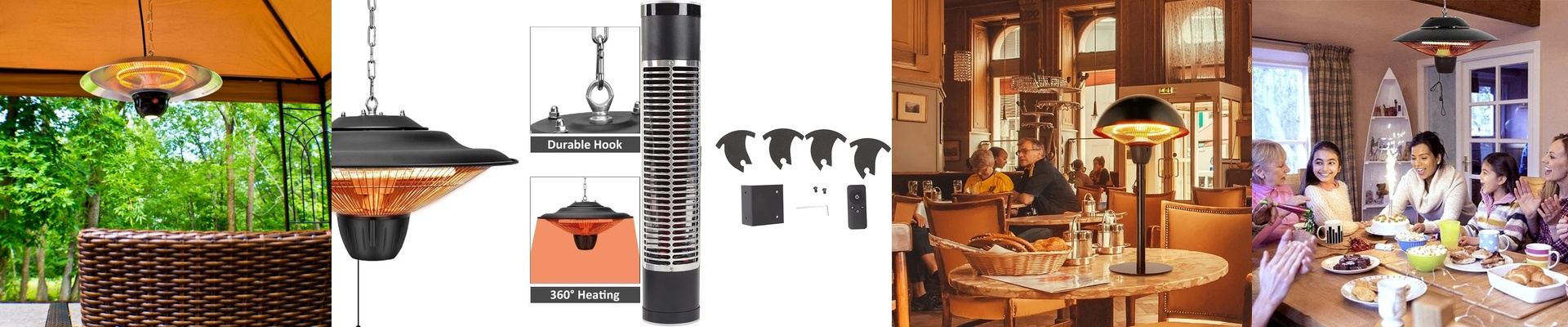
When the evening air turns crisp, the patio doesn’t have to shut down for the season. You want to linger longer, laugh a little louder, and move without that stiffness creeping in. An infrared patio heater changes that because it warms people and objects directly, not just the air around them. The comfort hits immediately—natural, like standing in a patch of sunlight.
What actually matters, technically
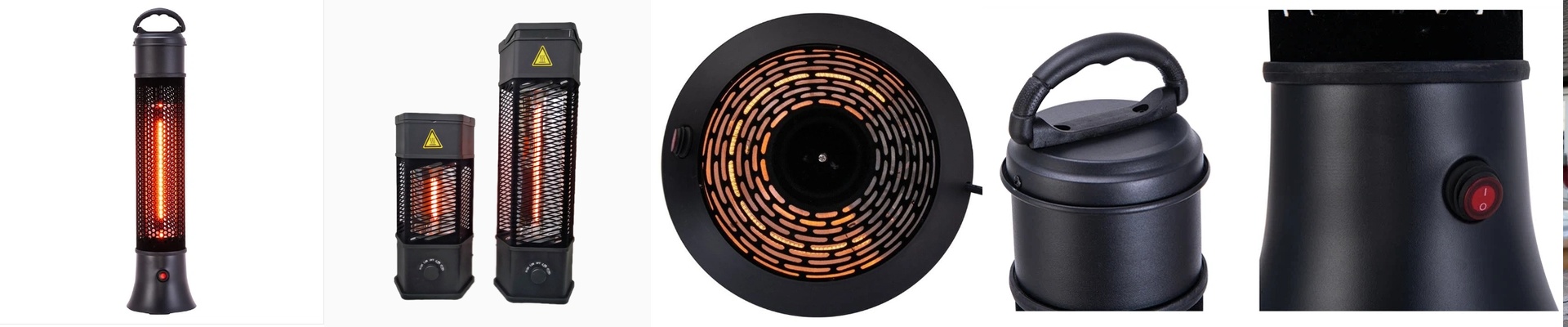
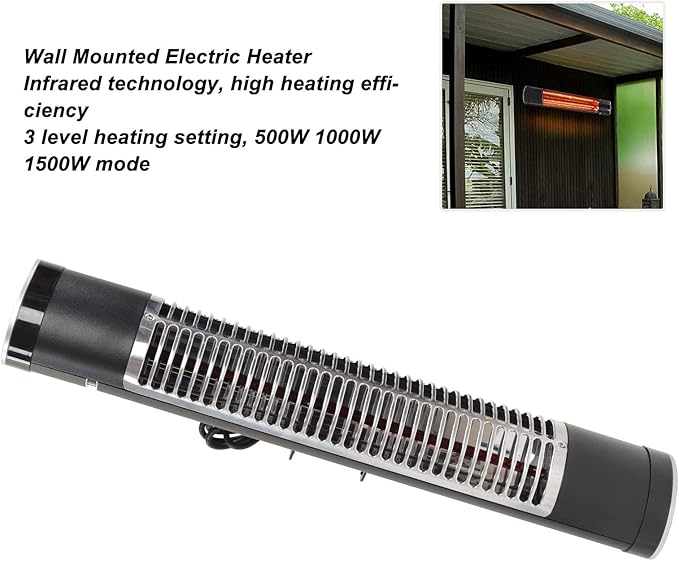
Infrared patio heaters use radiant heat to transfer energy straight to your skin and clothing, so you feel warmth on contact. Many run on a standard 120V outlet and put out 1,500W of focused heat—enough for a typical seating area without trying to heat the whole yard. The heating element is usually a quartz tube or a carbon fiber filament, and it emits short-wave infrared that penetrates superficially. That’s what gives you the gentle, muscle-easing warmth. A built-in thermostat keeps output steady, and tip-over protection adds a practical safety layer. For outdoor use, look for an IP rating that holds up against moisture and dust, plus a protective grill that stays cool to the touch.
Why it works on the patio
Outdoors, breezes make forced-air heaters feel inefficient and noisy. Infrared cuts through that by delivering warmth where you feel it most—your face, hands, and core. That sun-like sensation helps ease the ache that comes with cooler temps, supports circulation, and helps joints feel less stiff while you’re trying to relax. Because the heater warms people and surfaces, you can get outside sooner, stretch the evening, and avoid the jolt of stepping back into a cold night. It’s comfort you can use, and it tends to cost less to run than many bulkier outdoor heaters.
What you need to know
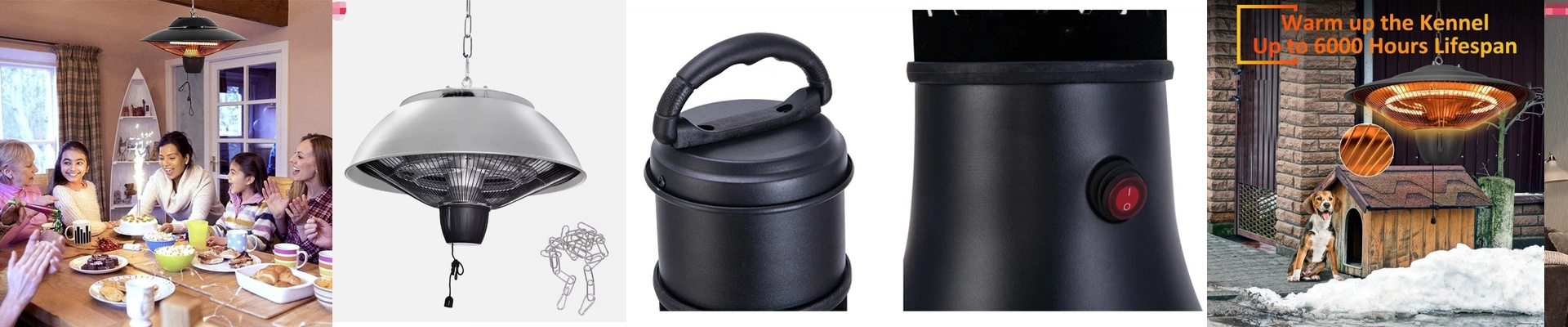
Infrared patio heaters perform best when you place them 6–8 feet from seating, aimed slightly downward for even coverage. Clearance matters—keep the unit away from curtains, plants, and overhead structures, and follow the mounting instructions that come with it. The warmth feels instant, but it’s directional. You’ll notice less heat off to the sides, so positioning is part of the setup. Most electric infrared heaters are designed for covered outdoor spaces. If you’re dealing with a fully exposed patio, pick a model rated for harsher conditions and consider wind shielding to keep comfort consistent.