Why You Should Swap Those Old Bathroom Heat Lamps for IP65 Infrared
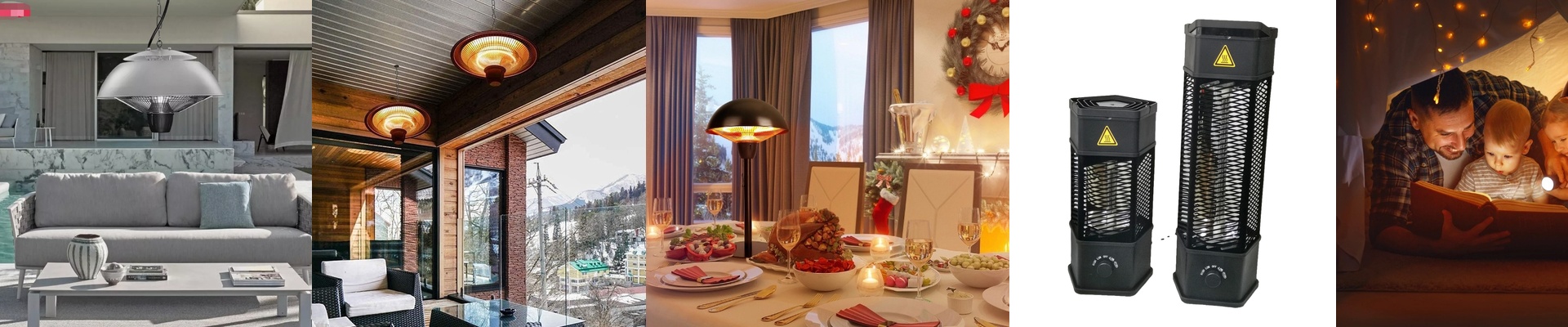
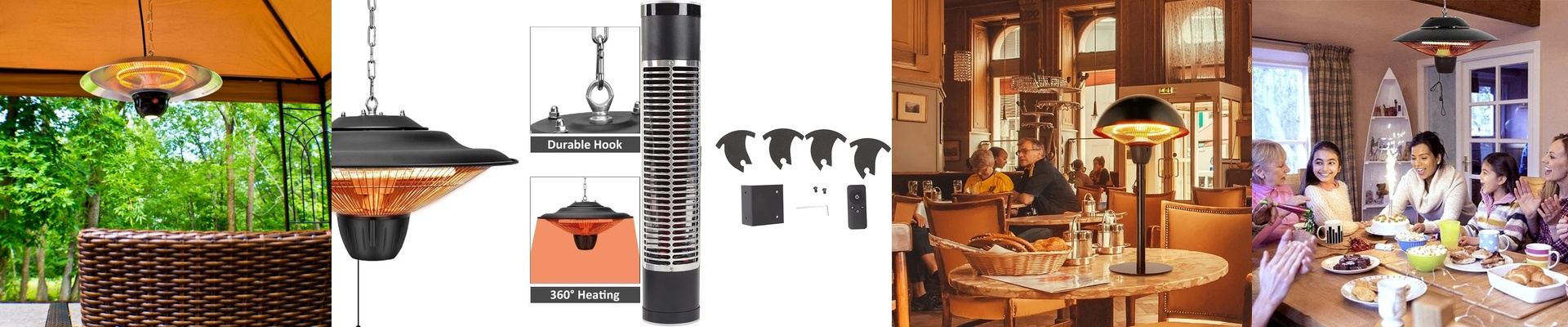
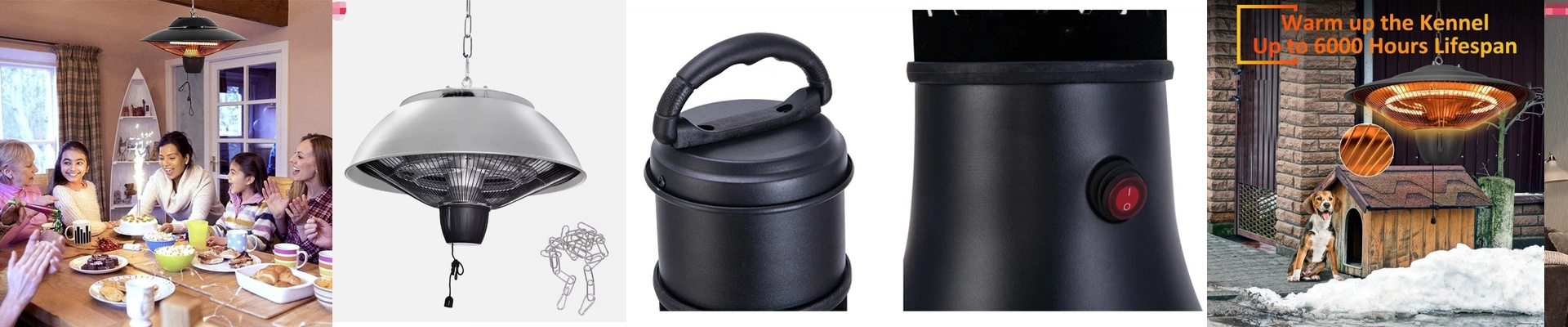
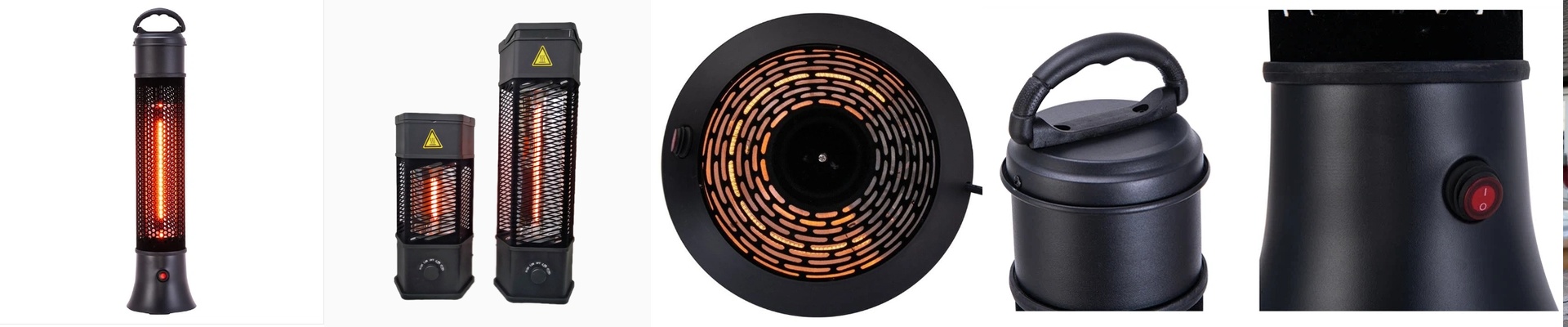
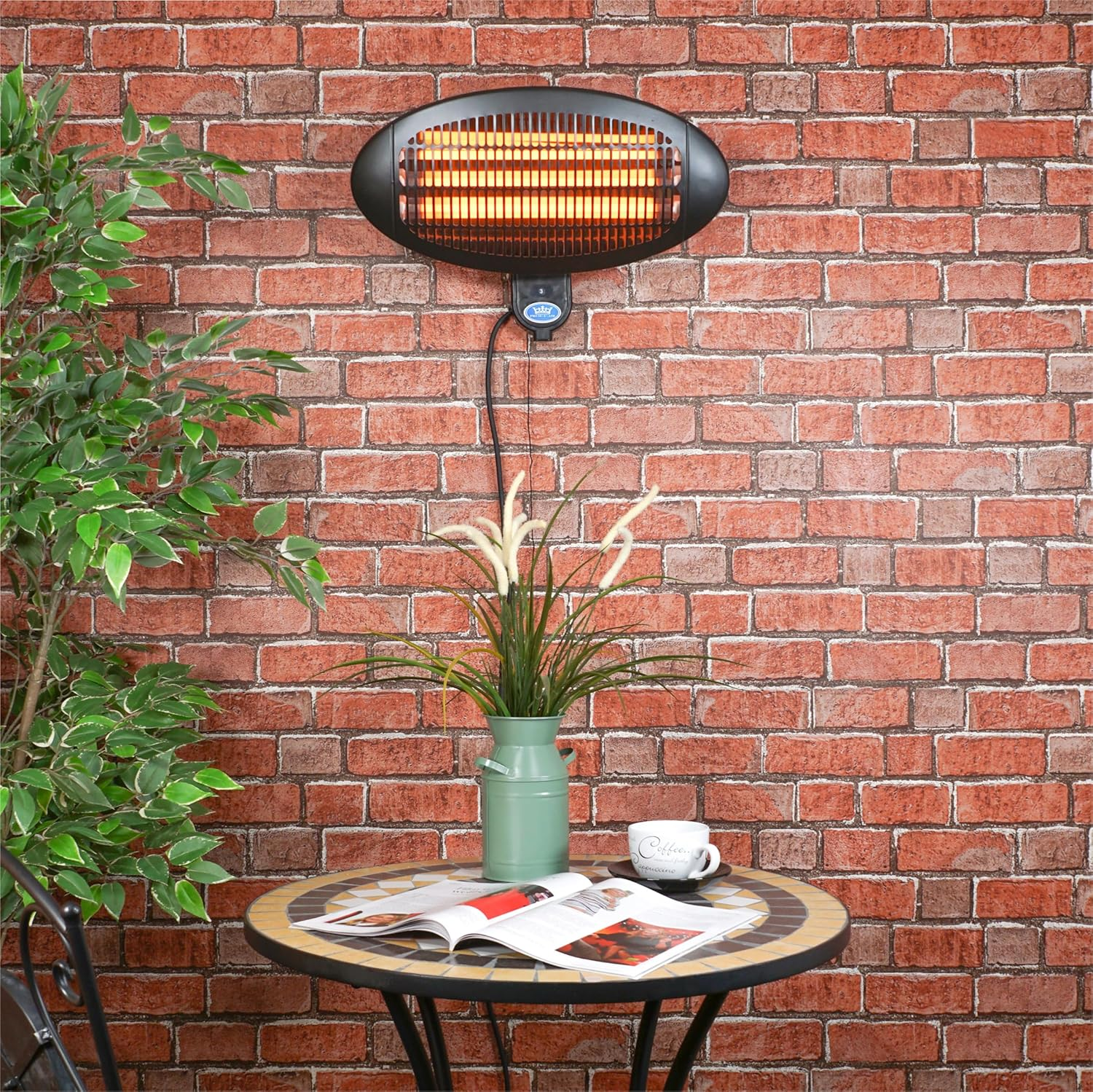
Let’s be honest: those old-school bathroom heat bulbs are kind of a joke. They take forever to warm up, and half the time, they just burn out because they weren’t actually built to live in a room full of steam. That’s why everyone is moving toward IP65 infrared heaters. They actually handle the chaos of a modern shower without giving up the ghost. The deal with “IP65” and steam If you’ve ever wondered what IP65 actually means, it’s basically a fancy way of saying the unit is sealed tight. No dust gets in, and water can’t spray its way inside from any angle. Standard fixtures are like sponges for steam. The moisture seeps into the housing, corrodes the electronics, and—pop—there goes your filament. We seal our infrared elements in a chassis that keeps the water out. It means your heater actually lasts longer than one winter. The magic of infrared (and why it feels better) Here’s the thing about traditional lamps: they try to heat the air. But air is stubborn. It takes a while to warm up, and the second you open the door, all that warmth vanishes. Infrared is different. It doesn’t mess with the air; it sends out waves that hit your skin and the floor directly. It’s instant. You step in, you feel the warmth immediately, and you don’t have to stand there shivering while the room “catches up.” We use quartz tubes with a special coating to push that heat straight down. Instead of wasting energy warming up your ceiling, the heat goes exactly where you’re standing. A few things to keep in mind for the install Now, these aren’t just “plug and play” light bulbs. They pull more power, so you’ll need a dedicated circuit. If you try to run this on a flimsy old wire, you’re probably going to trip your breakers. Also, they’re a bit bigger than a recessed bulb, so make sure you have enough room in your ceiling. One last tip: these things gethot. Really hot. If you mount one too close to cheap plastic trim, that plastic is going to warp or melt. Stick with aluminum or treated steel housings. It’s safer, it looks better, and you won’t have to worry about your ceiling melting while you’re taking a shower.