Stop Your Glass from Shattering
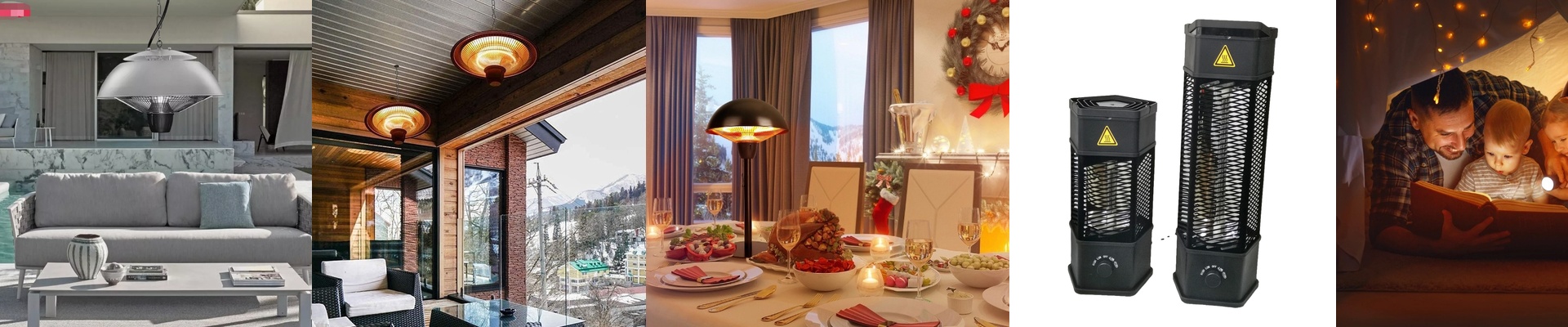
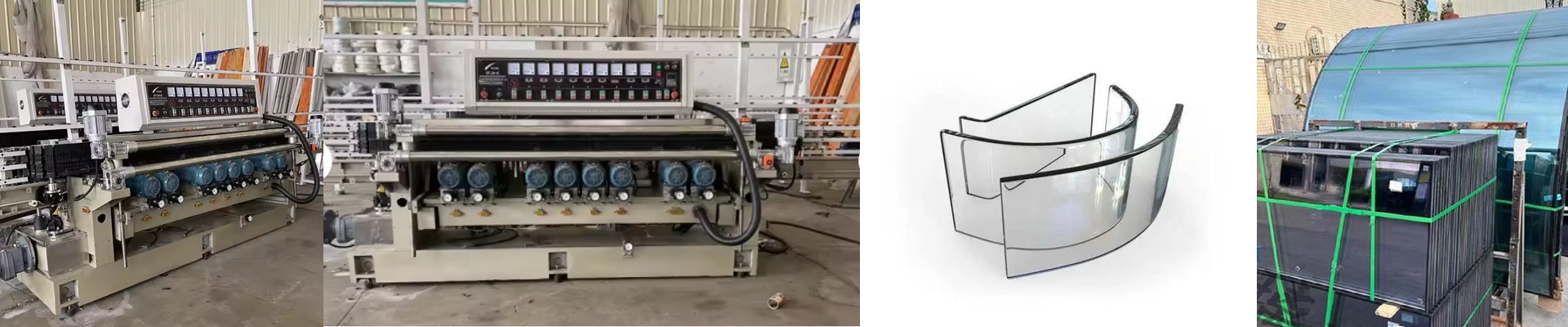
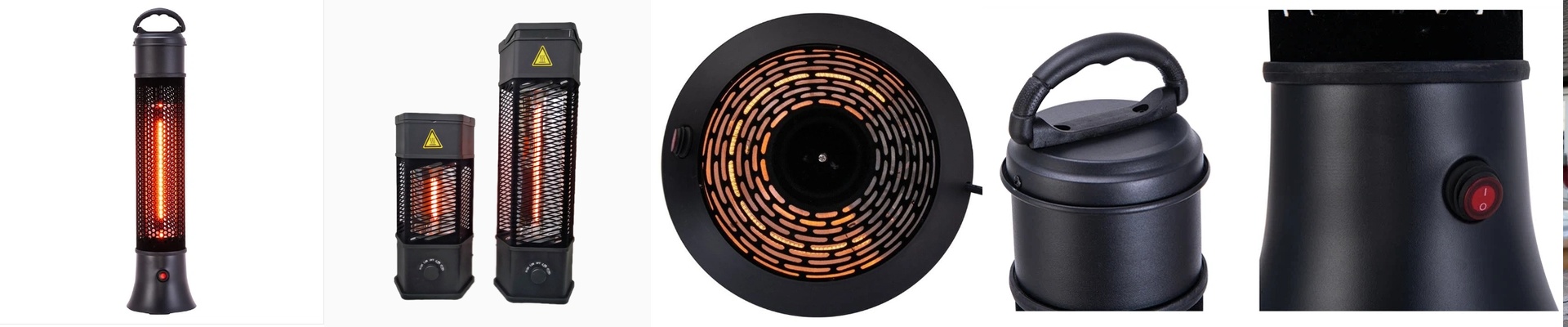
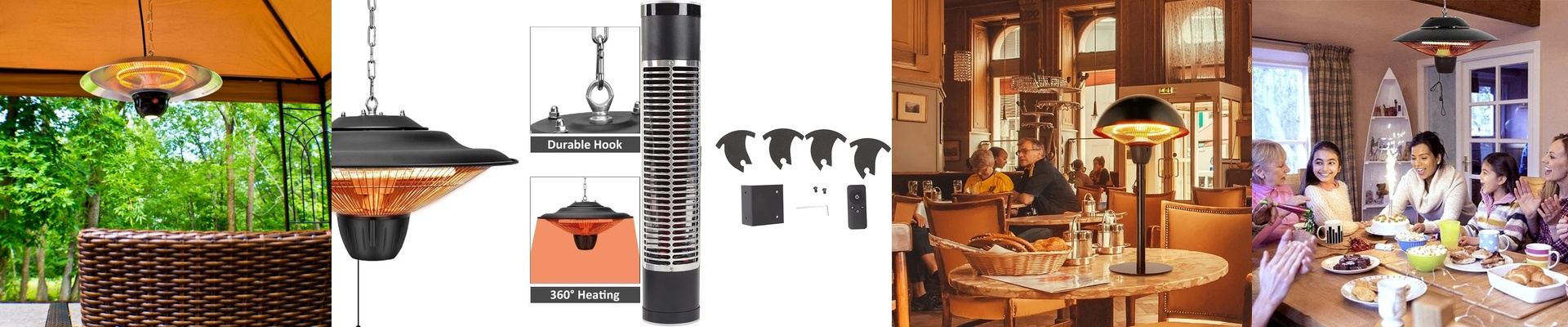
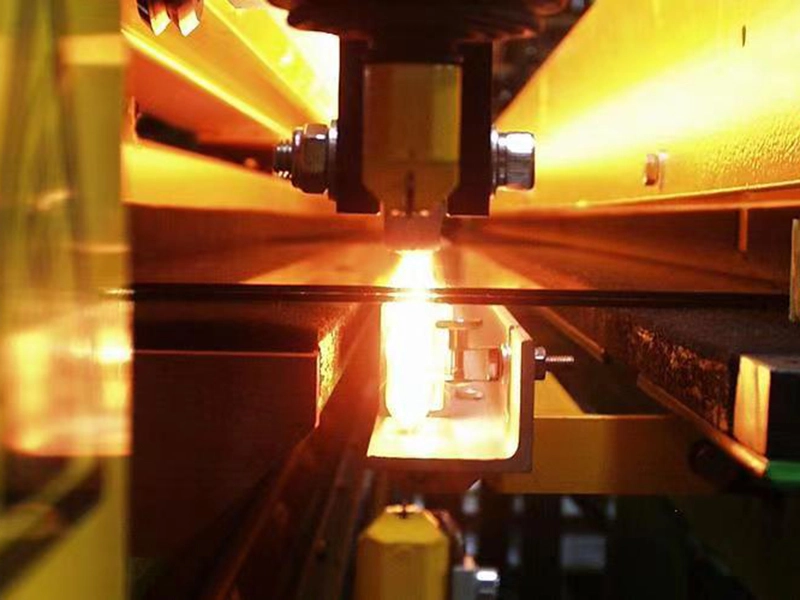
If you’ve ever run a glassware line, you know the nightmare. You’ve got your pieces laser-cut and ready, but the moment they hit the tempering stage, they crack. It’s frustrating. Usually, it’s just because the temperature jump is too aggressive. The glass can’t handle the shock, and—snap—there goes your profit margin. To fix this, we use short-wave IR lamps as support heaters. They basically act as a bridge, warming the glass instantly so it doesn’t freak out when it hits the heat.
Why Speed is Everything
Here’s the thing about heat: most heaters are too slow. Standard resistive heaters have a lot of “thermal mass,” which is a fancy way of saying they take forever to warm up and cool down. They lag. Short-wave IR lamps are different. They react the second you change the voltage. When you pair them with a fast-switching SCR or a PID controller, you can blast the heat the exact millisecond a piece of glass enters the zone. No “cold hit,” no stress fractures. Just a smooth transition.
Getting the Heat Right
We usually go for high-wattage lamps in a small footprint. Why? Because you need density. When you push that much power through a quartz envelope, the energy doesn’t just sit on the surface. It sinks deep into the glass. That’s what you want. But watch your wiring. If your cables are too long, you’ll get a voltage drop. That kills your heat output and leaves you with inconsistent results. Just make sure your power supply can handle every single lamp firing at once without choking.
The Trade-off
Now, this isn’t some magic fix without a catch. When you’re throwing that much radiant energy around, your machine frame is going to soak it up. If you don’t have a solid cooling jacket or some decent airflow around the housings, you’re going to melt your wiring or warp your brackets. It’s a simple trade: you get incredible heating speed, but you have to put in the work to keep the chassis cool.