Why we’re swapping old bathroom heaters for high-IP infrared
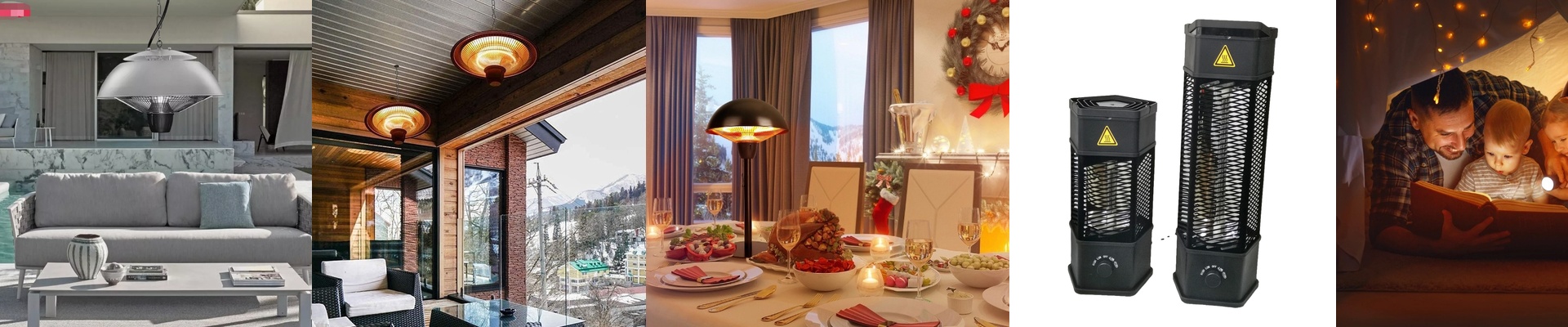
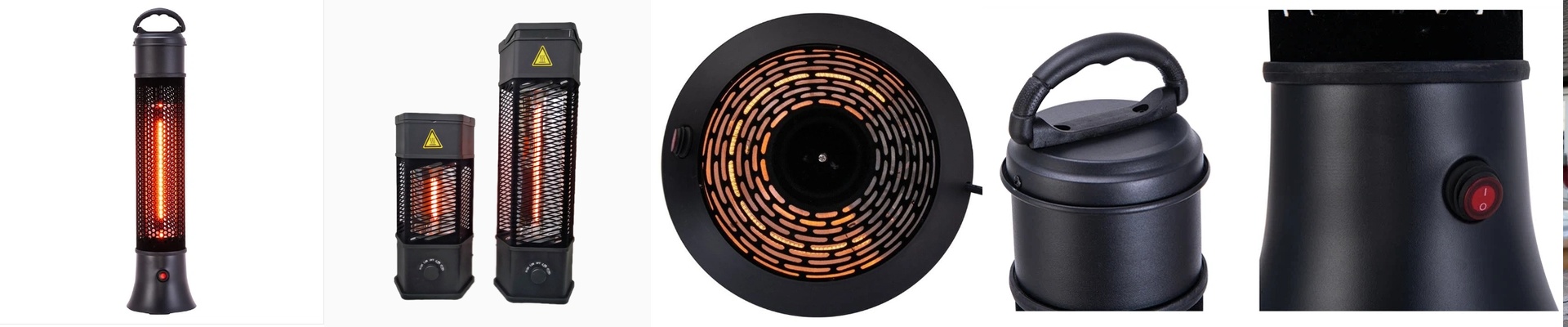
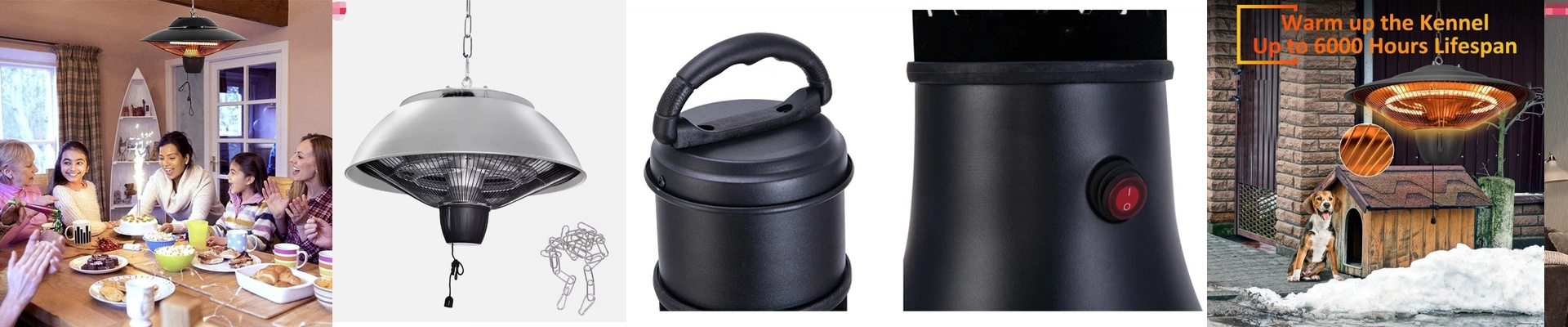
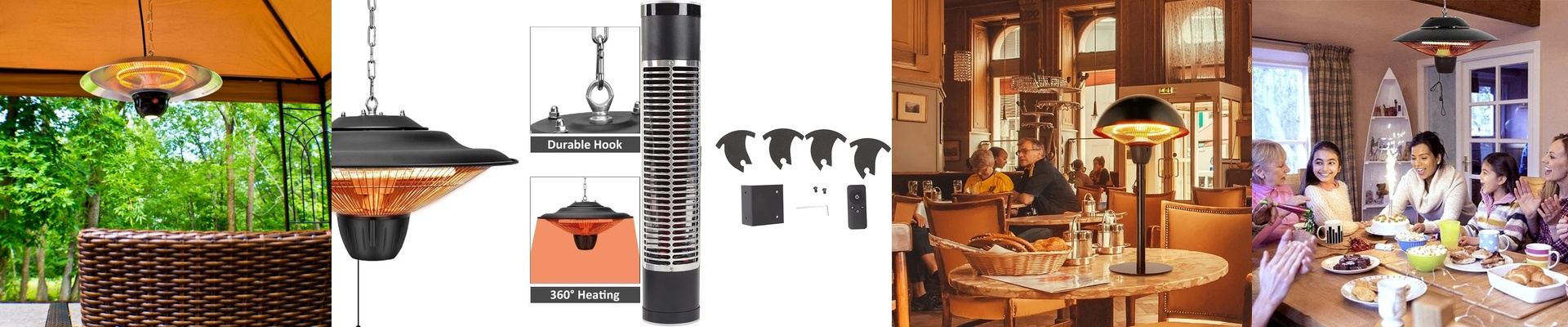
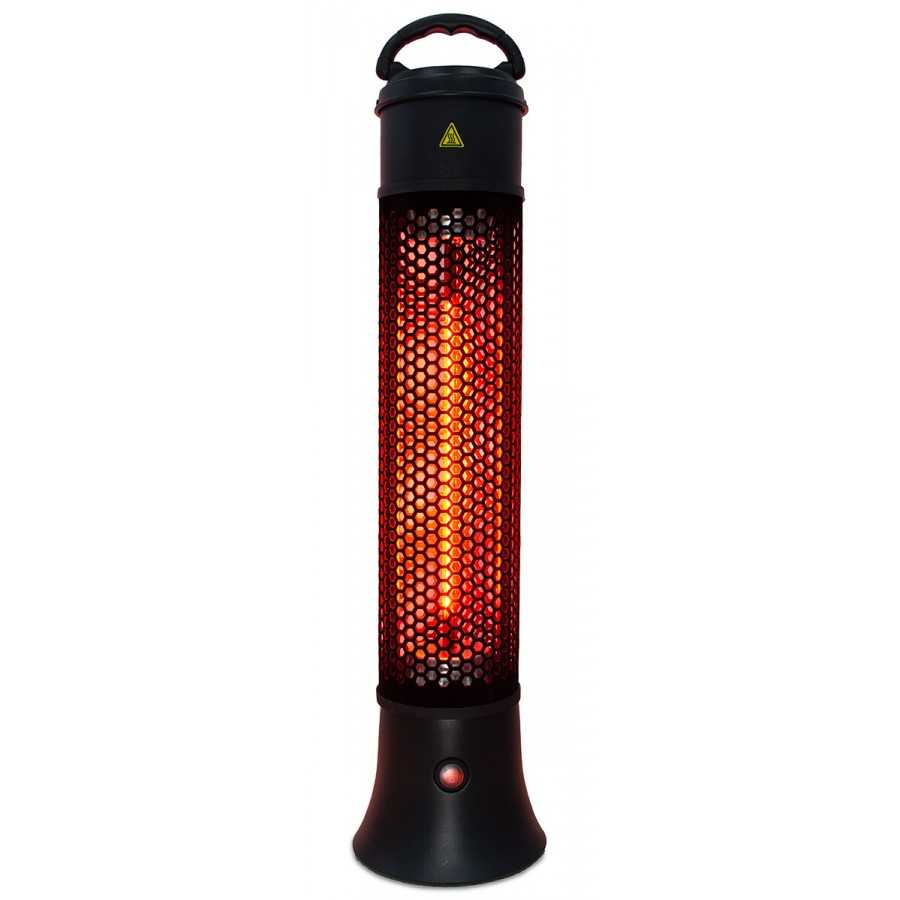
I’ve noticed a big shift in how bathrooms are being put together lately. Those old-school lamp heaters—the ones that basically just use a big lightbulb to get warm—are disappearing. People are moving toward high-waterproof infrared units instead. It really comes down to two things: how they handle steam and how they actually make you feel warm. The battle with moisture Bathrooms are brutal on electronics. You’ve got steam everywhere. With standard heaters, that moisture sneaks into the housing, eats away at the wiring, and eventually, the bulbs just pop. It’s a headache. That’s why the “IP rating” (the waterproof grade) matters so much. When you go for a high-IP unit, you’re essentially sealing the guts of the machine away from the damp air. No moisture hitting the live parts means no short circuits and a heater that actually lasts more than a couple of seasons. Warm air vs. actual heat Here is the thing about those old lamp heaters: they try to warm up the air. But if you’ve got a ventilation fan running—which you should—you’re basically just heating air that’s being sucked right out of the room. It’s a waste. Infrared is different. It doesn’t care about the air. It sends out waves that heat you and the surfaces around you directly. It’s that instant, cozy feeling the second you step under it. We use short-wave infrared because it packs a ton of heat into a tiny space. You don’t have to stand around waiting for the whole room to warm up. You just feel it. A few things to watch out for Now, you can’t just plug these into any old outlet. Because they pull so much power, you’ll need a dedicated circuit. If you try to wing it with a standard plug, you’re probably just going to trip your breaker. And there’s a little catch with those sealed, waterproof units. Because they’re so airtight, they trap heat inside the chassis. If the internal thermal switches aren’t dialed in perfectly, or if you cram the unit into a ceiling with no breathing room, it’ll overheat and shut itself off. Then it cools down, kicks back on, and repeats. That constant cycling burns out the components way faster than it should. So, give the unit some space in the ceiling. Your hardware will thank you.