


Stop Replacing Your Workshop Heaters Every Two Years
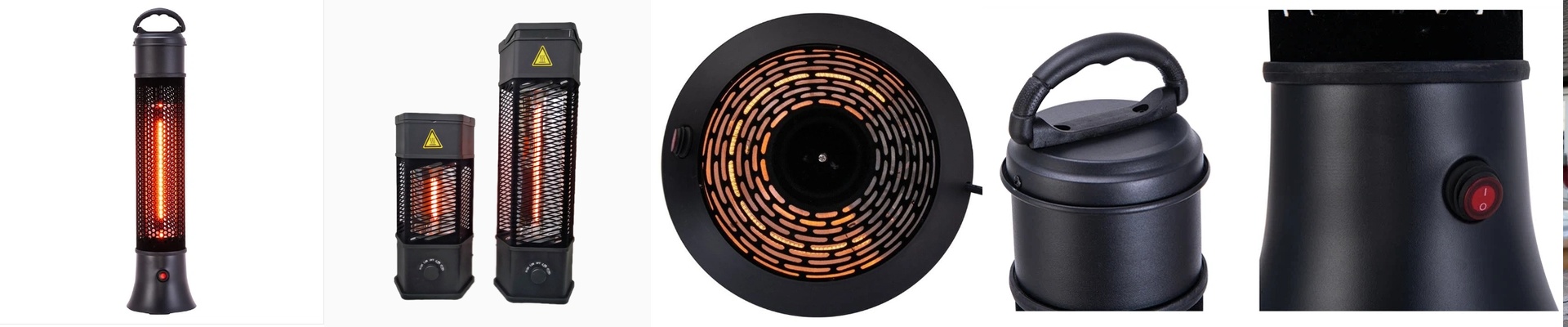
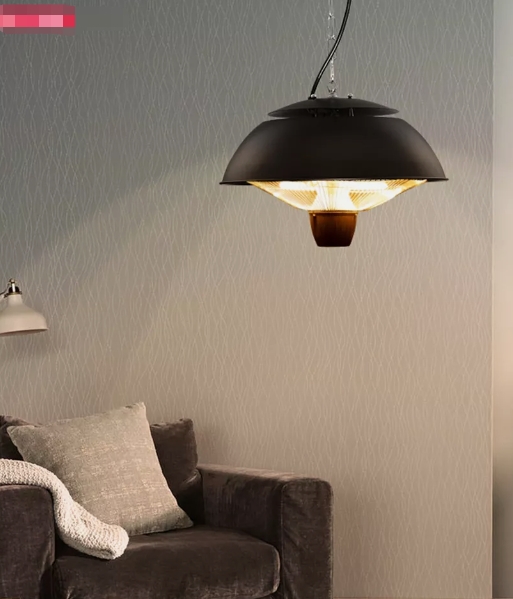
Let’s be honest: workshop ceilings are brutal. Between the floating dust, the humidity swings, and the random splashes from whatever project you’re tackling, it’s a nightmare for electronics. Most infrared heaters just can’t hack it. Moisture creeps into the housing, things short out, and suddenly your heating elements are rusted or dead. We got tired of seeing that happen, so we built our ceiling units to actually survive the environment they’re put in. The battle against condensation Here is the thing about high-wattage heaters: they hate the “cool down.” When the heater clicks off, that temperature drop can pull moisture right out of the air and settle it on the quartz tubes or the electrical joints. That’s usually where the trouble starts. We used a sealed housing that keeps that “fog” out. By keeping the electrical terminals away from the damp workshop air, we stop those annoying pops and sparks that kill off the cheaper units. Dealing with the splashes Then there’s the water. Whether it’s a leak from a pipe or just a messy cleaning day, a stray spray can be a death sentence for a hot heater. If cold water hits a tube running at 600°C? It cracks. Simple as that. We added splash-guards and gaskets to nudge any liquid away from the heat zones. Now, we aren’t saying you can take these into a shower, but a stray spray won’t ruin your day (or your budget). The honest trade-off I’ll be straight with you—adding all this protection changes things a bit. Because the tubes aren’t completely naked, you might lose about 2-5% of the direct heat projection. But in my book, that’s a fair trade. You lose a tiny bit of raw power in exchange for a heater that doesn’t need to be ripped out and replaced every eighteen months. We built these to take a beating. When you wire these into your grid, you can just forget about them. No constant tinkering, no calling in a technician—just a warm shop and a lot less stress.