Why we stopped making “disposable” heaters
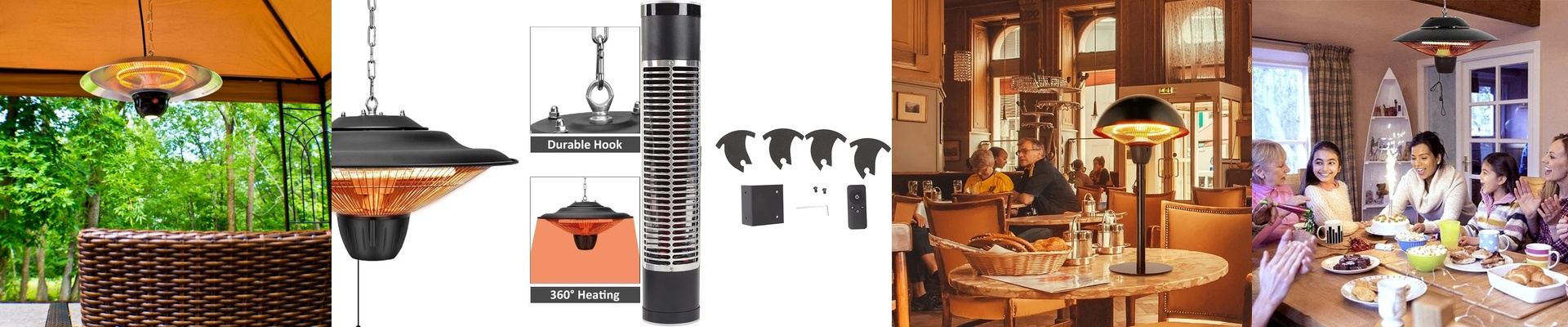
Most gazebo heaters are basically sealed boxes. That’s a problem. Once a heating element burns out after a few winters, the whole thing is basically a heavy piece of scrap metal. You can’t fix it, so you toss it. We thought that was a waste. So we did things differently with our 1500W infrared heaters.
The “Cassette” Idea
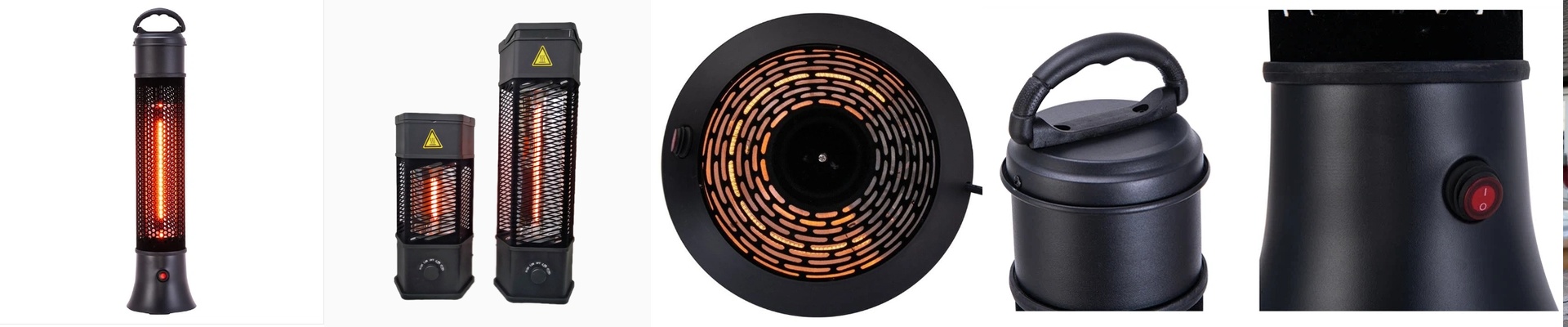
Getting 1500W of heat requires a very specific balance of voltage and filament length. Instead of soldering everything into one giant, permanent block, we put the heating element into its own modular cassette. Think of it like a cartridge. The electrical housing is separate from the part that actually makes the heat. If a lamp goes dead, you don’t have to tear apart your entire ceiling grid or call in an electrician to rewire the house. You just pull the module out, swap the tube, and slide it back in.It’s that simple.
Real-world wear and tear
Let’s be honest: outdoor gazebos are tough on gear. Between the humidity and the freezing temperature swings, filaments eventually give up. It’s just physics. With a standard heater, replacing a tube is a nightmare of dismantling the whole chassis. We used quick-release fasteners instead. You can swap a tube in under ten minutes. No fancy tools, no soldering, and no headache. You just drop the new one in and you’re back to staying warm.
The honest trade-off
Now, there is one catch. Because the housing is modular rather than one solid piece, there are more joints. Every now and then, you’ll want to double-check the mounting clips to make sure they haven’t wiggled loose from the vibration. It takes two seconds. But here’s the payoff: instead of buying a new heater every three years, your setup can easily last a decade or more. You get all that targeted 1500W heat, but you aren’t gambling on whether a single snapped filament will ruin your entire investment. It’s just a more practical way to keep the patio warm.