Why 0.1°C Actually Matters in Glass Annealing
Anyone who’s worked with lab-grade glassware knows the heartbreak of a piece shattering because of internal stress. It usually happens because the furnace swung by just a few degrees during the cooling phase. One tiny slip, and you’ve got stress fractures. That’s why we use infrared heating elements that hit a 0.1°C precision. We need that glass to stay exactly at its annealing point. No guessing.
The tightrope walk of temperature
Glass is picky. There’s this tiny window between when it softens and when it becomes rigid. If the temperature drops too quickly, the outside of the glass freezes while the core is still roasting. That creates a tension gradient—basically, the glass is fighting itself. By keeping the variance to 0.1°C, the entire wall of the vessel relaxes at the same speed. It’s less about cranking up the heat and more about keeping things rock-steady.
Why we went with Infrared
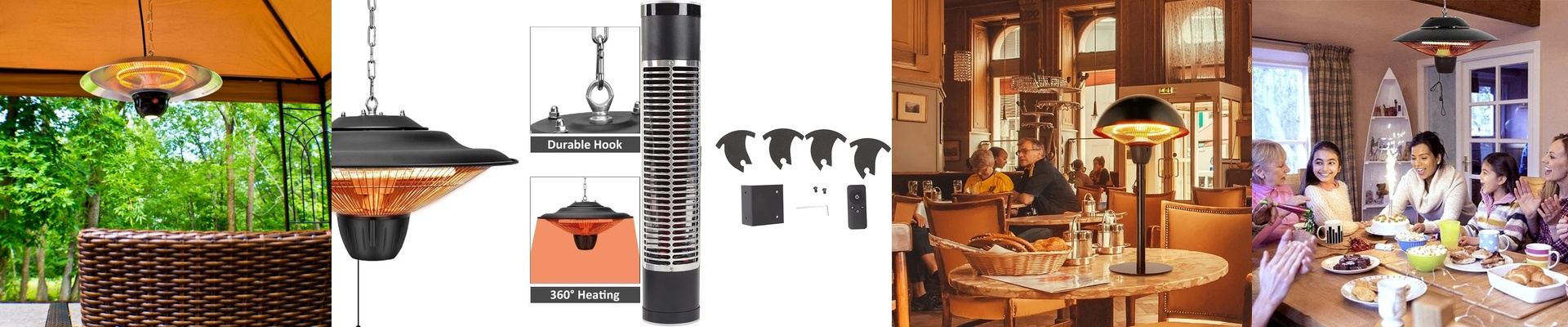
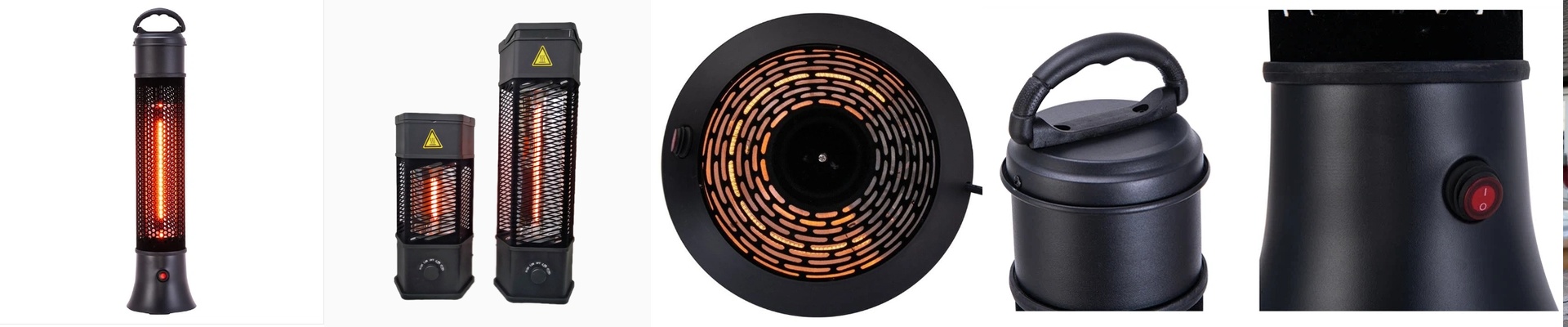
We chose these heaters because they react fast. Standard resistive coils are slow; they soak up heat and lag behind. Infrared is different. It dumps energy directly onto the glass surface, which lets the PID controller make tiny, real-time tweaks. We also use quartz-envelope lamps because they play nice with the way borosilicate glass absorbs heat.
The catch: Your power supply
Here’s the thing: high-precision IR gear is sensitive. If your factory floor is full of electrical noise or random voltage spikes, that 0.1°C precision just disappears. To stop the flicker and keep things stable, you’ll want to run these through a dedicated stabilizer or a high-end SCR. Otherwise, you’re just fighting the grid.
Making it work in the real world
When you’re dealing with thin-walled flasks or complex volumetric shapes, the surface area is all over the place. It’s erratic. IR elements let us target specific zones. You get a uniform temperature across the whole piece. No cold spots. No surprises. And most importantly, no shattered glass when the final cool-down hits.