Why Consistent IR Lamps Stop Your Glass From Breaking
Glass annealing is basically a high-stakes game of temperature. If you’re running batches, you know the nightmare: the first few pieces come out perfect, but by the time you hit the end of the line, things start going sideways. Usually, the culprit is the lamps. If your infrared lamps are off by even 5%, you’re dealing with uneven stress relief. That creates internal tension in the glass. And as we all know, internal tension is just a fancy way of saying the glass might spontaneously shatter. Not exactly the result we’re looking for.
The problem with “standard” lamps
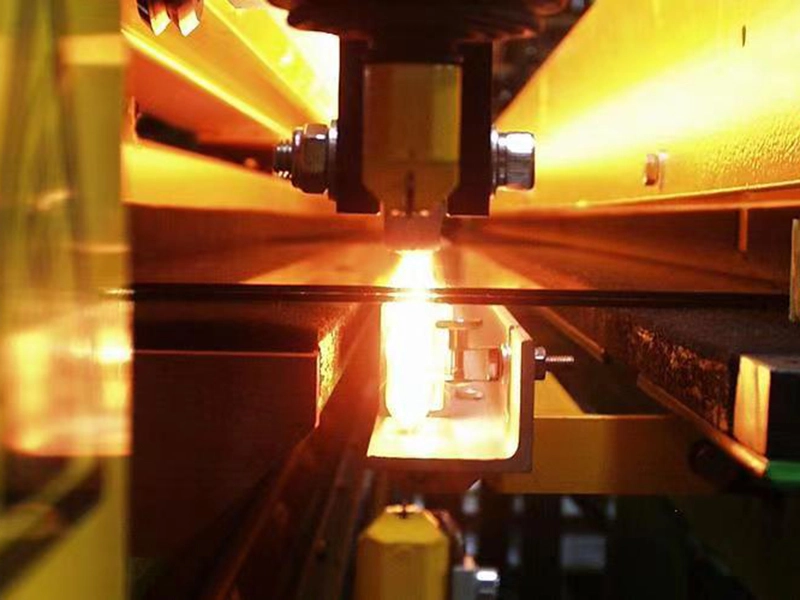
Here’s the thing: not all IR lamps are actually the same. Most of the stuff you buy off the shelf has a “tolerance gap.” One lamp runs a bit hot, another runs a bit cold. When you’ve got a whole array of these, you end up with thermal gradients across your glass. It’s patchy. We fix this by tightening those tolerances. We make sure every single tube in your oven puts out the exact same amount of energy. Plus, we use fast-response tech. It lets you hit your target temp quickly and—more importantly—drop it just as fast. This stops that “thermal overshoot” that tends to ruin the more delicate batches.
Pushing the heat without the burnout
To get the kind of heat flux you need for annealing, you need serious power density. We use specific filaments and quartz envelopes to cram in the wattage without frying the ends of the lamp. You get a tight, focused heat zone that actually does the job. But a quick heads-up: these high-wattage, fast-response tubes pull a lot of power. If you’re swapping these into an old machine, please check your wiring. Under-spec’d cables will get dangerously hot when you push these lamps to full tilt.
No more guessing
When every lamp behaves exactly like the one next to it, your thermal profile stays flat. You can stop messing around with “buffer zones” in your oven or crossing your fingers and hoping for the best. It just becomes a repeatable process. Fewer rejects. Predictable timing. You just wire them up, set your PID controllers, and let the lamps do the heavy lifting.