Getting Low-E Glass Preheating Right (Even When It’s Huge)
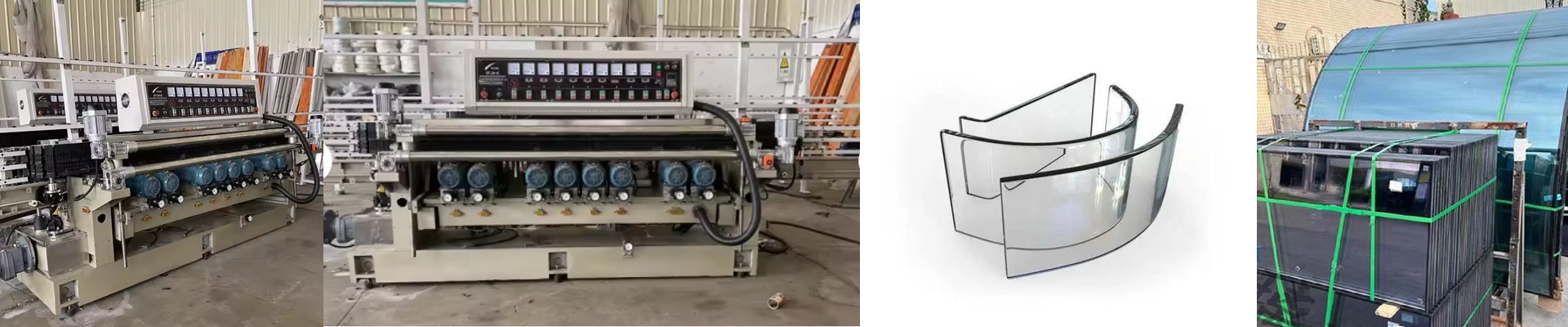
If you’ve ever worked with wide-format preheating tunnels for Low-E glass, you know the headache. You’re dealing with a massive surface area, and if your temperature isn’t spot on across the whole thing, you’ve got a problem. Standard, off-the-shelf lamps just aren’t built for this. That’s why we build twin-tube infrared elements that stretch past 3 meters. The goal is simple: kill the cold spots and make sure the heat is consistent from one end of the glass to the other. The struggle with long heaters Here’s the thing about designing a heater that’s over 3 meters long—voltage drop is a nightmare. If you just stretch out the filament, the ends of the tube end up cooler than the middle. Nobody wants that. We spend a lot of time obsessing over the internal resistance and voltage. For these wide units, we usually bump up the voltage. It keeps the current under control and stops the quartz from bowing when things get hot. It’s about keeping the tube straight and the heat steady. Why two tubes are better than one A single tube usually can’t push out enough heat fast enough for Low-E preheating. It’s just not enough “oomph.” By using a twin-tube setup, we basically double the radiating surface without taking up more space in your tunnel. You hit your target temperatures way faster, and you aren’t pushing a single filament to the point where it’s about to snap. Plus, we use high-purity quartz so the IR energy actually gets through to the glass. A few things to watch out for We design these to be drop-in replacements, which makes life easier. But you have to be careful with how they’re held. A 3-meter quartz tube is fragile. If your brackets are slightly off or if the whole frame is vibrating, those tubes will snap. It’s frustrating and expensive. You also want to make sure your power supply is balanced. If the load is uneven across those long elements, they’ll start burning out at the connection points. We can tweak the wattage and length to fit your specific line speed and how thick your glass is. Just send over your tunnel dimensions and the temperature you’re aiming for. We’ll do the math on the kW per meter and get it sorted.