Why 0.1°C is the Difference Between a Lab Flask and a Pile of Shards
Ever had a piece of lab glassware just… pop? No warning, no obvious impact. Just a sudden crack. Usually, that happens because the glass wasn’t cooled down properly. Internal stresses get trapped inside the walls, and the moment the glass feels a bit of pressure, it gives up. To stop that, we use high-precision infrared (IR) heating in our batch furnaces. When you’re annealing, the line between a perfect vessel and a total loss is thinner than you’d think. Sometimes, it’s just a fraction of a degree.
The Magic of 0.1°C
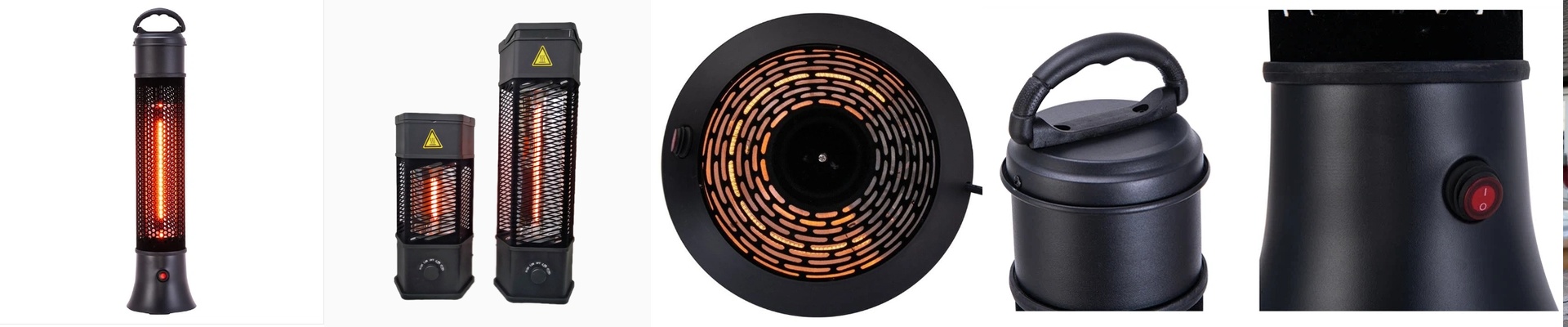
Most heating elements are a bit clumsy. They overshoot the temperature you set, which creates “thermal gradients”—basically, some parts of the glass are hotter than others. That’s where the fractures start. We do things differently. We pair our IR elements with PID controllers that can dial things in to 0.1°C. Here’s the cool part: instead of just heating up the air around the glass, short-wave IR radiation goes straight into the molecular structure of the glass itself. It’s direct. It’s fast. And it keeps the temperature band incredibly tight.
Getting the Heat Right
We wrap our elements in high-purity quartz to keep the light spectrum consistent. But you can’t just throw heat at the glass. If the wattage is too concentrated in one spot, you get “hot spots” that warp the shape. To fix that, we play around with the winding densities. The goal is a uniform wash of heat across the whole batch. No surprises.
The “Gotchas”
Now, this kind of precision isn’t “plug and play.” Because IR elements put out so much intense heat, your furnace insulation has to be rock solid. If heat leaks out, your sensors get confused. And honestly? Placement is everything. If your thermocouple is off by even an inch, that 0.1°C precision is basically a lie. You also need a stabilized power supply. If your voltage flickers, your IR output flickers, and you’re right back to square one.
Why Bother?
Switching from old-school resistive coils to IR saves a ton of space in the lab. You get to ramp up the heat faster, and you have way more control over how the glass cools down. For those weird, complex borosilicate shapes that usually end up in the scrap bin? This is how you actually save them. Stop guessing with coarse settings. Just lock in the stability and move on with your day.