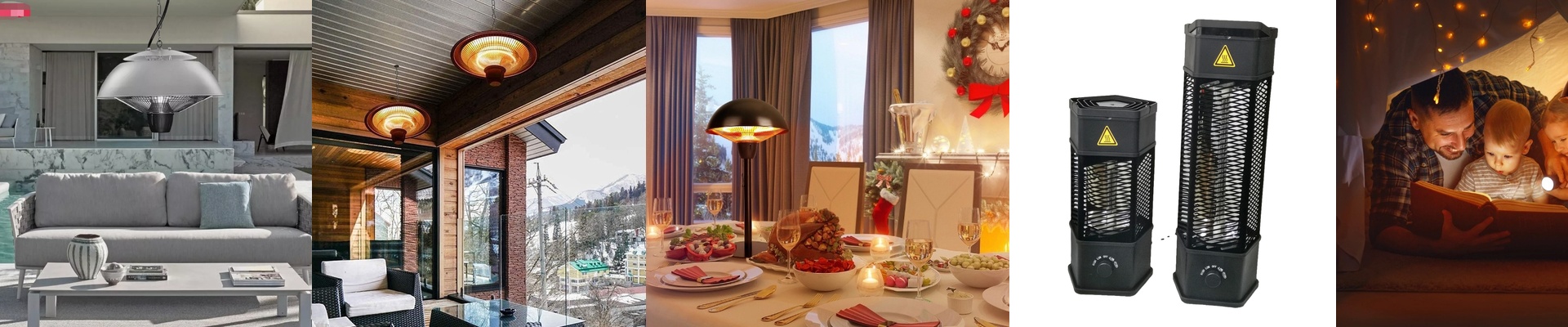
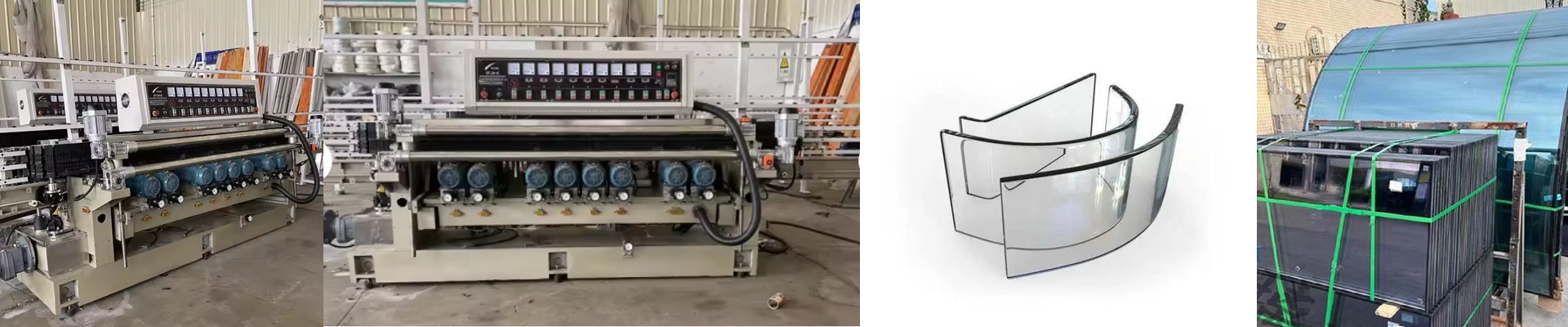
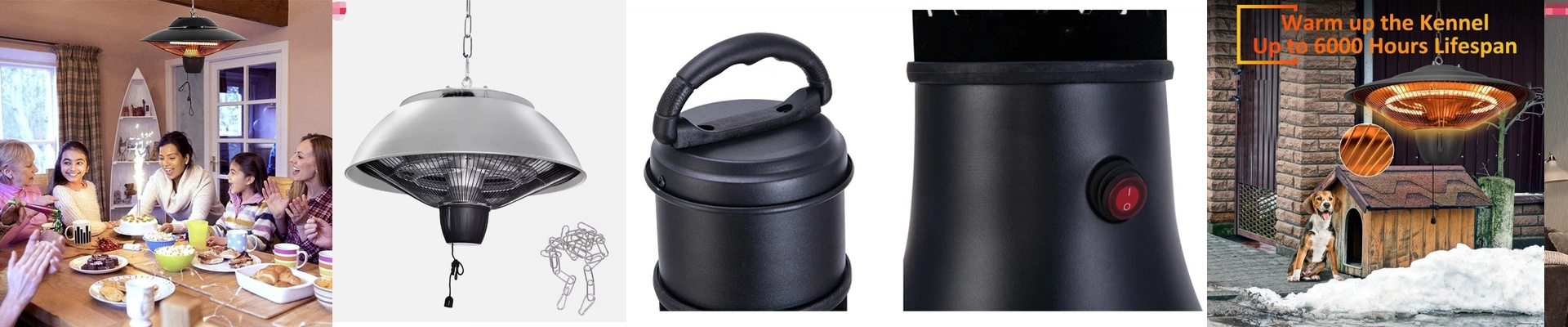
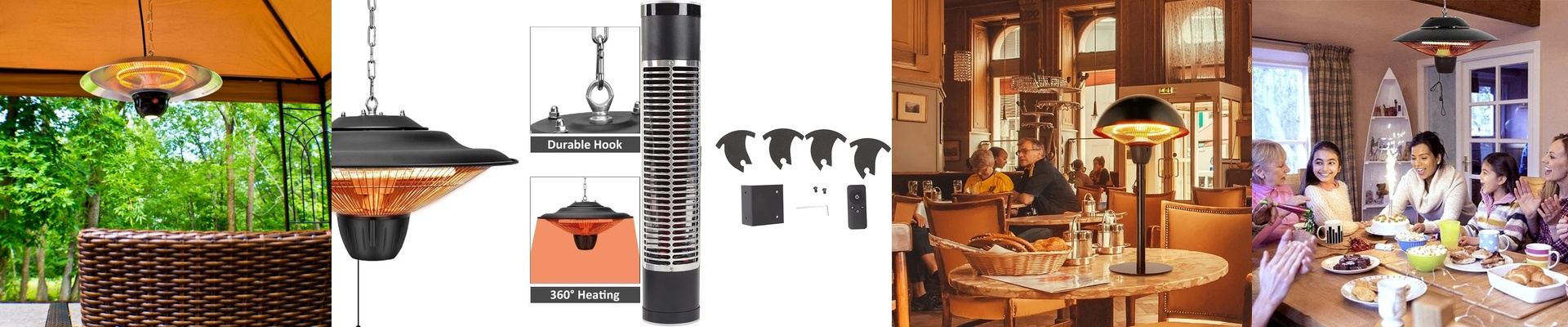
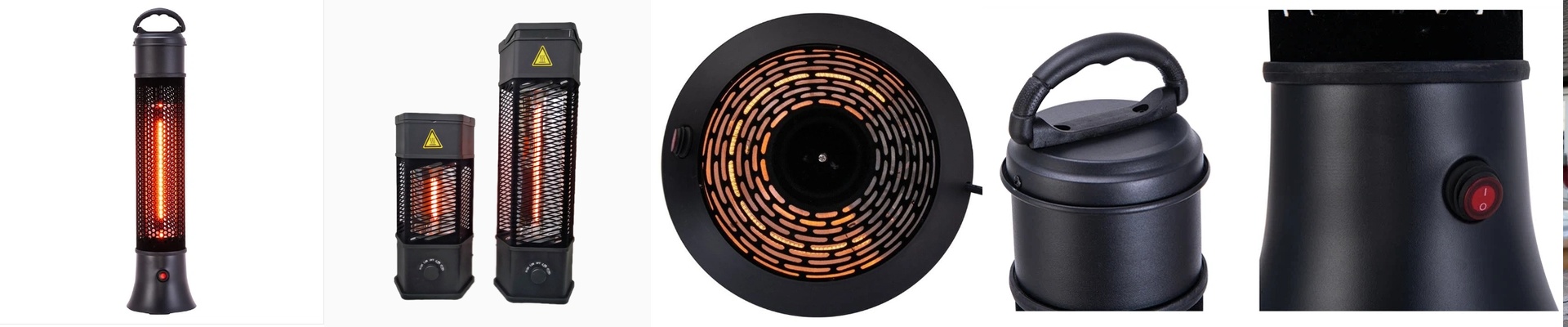
Trying to jam high-performance infrared (IR) elements into a mobile glass repair bracket is a bit of a balancing act. You’re fighting for every millimeter of space, and you’ve only got so much voltage to play with. You can’t just throw a standard heating array in there and hope for the best. That’s why we go with short-wave IR emitters. They hit those target temperatures fast, which means you don’t need a bulky housing taking up all your room. Dealing with heat in tight spaces If you want the glass to heat up evenly without the rig becoming a giant suitcase, it all comes down to how much power you can pack into every centimeter. We use high-wattage quartz halogen lamps to keep the energy focused in a narrow beam. It keeps the whole setup compact. You can tuck the heating element into a tiny bracket and still get that deep thermal soak the glass needs for a proper repair. But here’s the catch: all that heat goes somewhere. If you aren’t careful with your insulation or shielding, you’ll end up warping your own frame. It’s a trade-off you have to plan for. Picking the right parts We stick with short-wave emitters because they actually punch through the glass, whereas long-wave options just bounce off. Since these rigs are mobile, they take a beating. They shake, they move, they get tossed around. We prioritize connectors that can handle that vibration without shaking loose. We also keep a close eye on the lead-wire gauge. If you’re pushing your voltage to the limit, the wrong connector will just burn out at the terminals. Less wiring, less clutter, fewer things to break. Getting the heat just right Getting a uniform heat isn’t just about the lamp you pick. It’s all about the gap between the lamp and the glass. In a mobile bracket, that space is incredibly tight. We spend a lot of time calibrating the lamp length and power so you don’t end up with cold spots right in the middle of the pane. And a quick tip on power: if your mobile power source dips, your ramp-up time crawls. You need a steady voltage if you want your heating cycle to actually stay consistent.