
Introduction
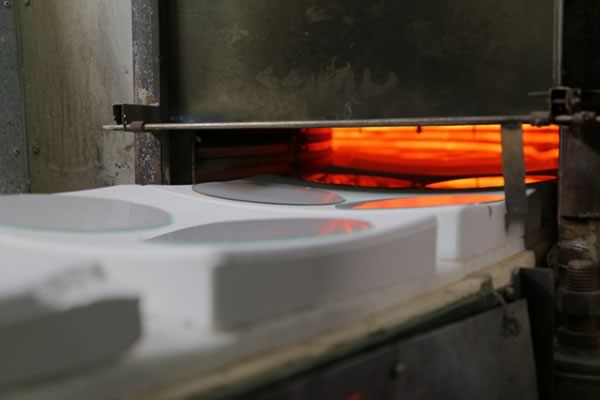
We built this anti-fog coating dryer to be a compact, all-in-one infrared heating solution for glass processing lines. The whole idea? Give you fast, controlled drying for anti-fog coatings on printed glass—without asking you to clear out more floor space.
What’s really under the hood
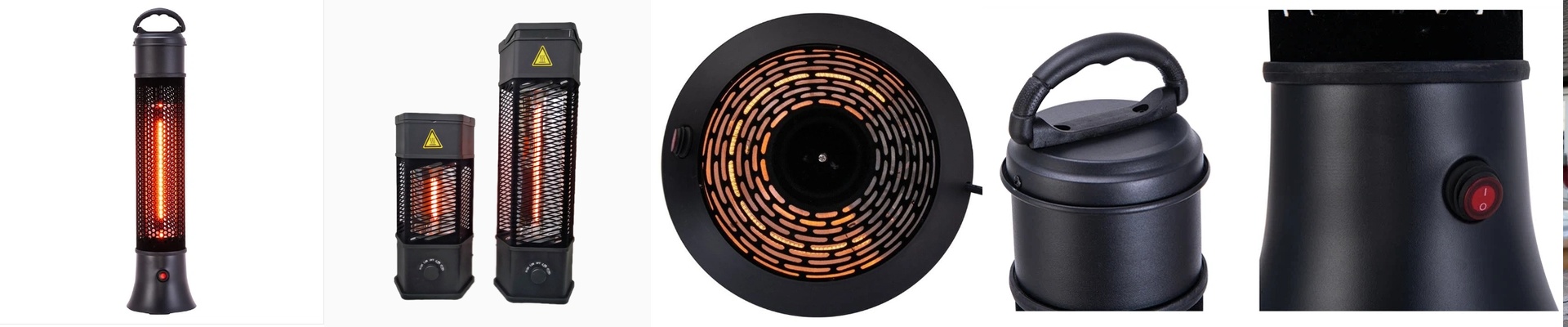
At the heart of it is a high-density infrared heating core, designed to take the place of those long convection drying sections. That’s how we cut the footprint by 40% compared to the usual drying zones. You still get steady temperature control, but the heat goes right where it matters—straight onto the coating—instead of warming up all the air around it. Power is matched to your line speed and the thickness of the coating. We use high-voltage operation (usually 400V) to push the needed energy through a short, compact lamp. That keeps the physical size small while still delivering the wattage for quick solvent removal. Here’s the trade-off: higher power density means you need solid cooling and heat containment in the machine frame. Plan for enough airflow and shielding to keep everything running within safe temperatures.
Materials and the little details that matter
The infrared emitter uses a quartz envelope with a reflective coating tailored to focus energy onto the glass surface. That coating boosts directional efficiency and cuts down on wasted heat. Because it’s halogen-based, it responds fast. So the system can keep up with line starts and stops without long warm-up or cool-down lag. For mechanical integration, we went with R7s connectors on the lamp ends. That gives you a secure, repeatable electrical connection—and a quick, tool-free replacement when it’s time to swap lamps during maintenance.
How it feels on the line
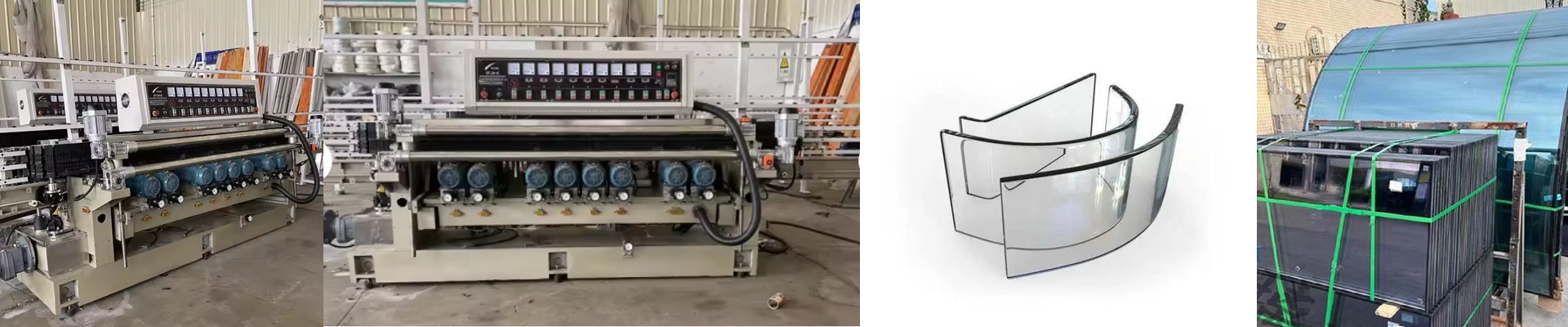
On a silk-screened glass line, the anti-fog coating has to dry quickly and evenly, or you’ll get haze and adhesion problems. Our compact infrared unit hits the coating temperature fast, so you can run at higher speeds without over-drying the substrate. The integrated build means fewer standalone modules, shorter duct runs, and less overall machine length. If you’re retrofitting an existing line—or spec’ing a new one with tight floor space—this is a practical, space-smart solution. You get faster drying, predictable thermal performance, and a footprint that leaves room for everything that comes next.