


Dealing with Heat When You Print and Temper in One Go
Here’s the deal: when you try to combine screen-printing and tempering into one long line, you’re basically fighting a war with physics. You need enough heat to bake the ink into the glass so it doesn’t bleed or blur, but you also have to hit that sweet spot where the glass is strong enough to be tempered. It’s a tricky balance.
Why we lean on Shortwave Infrared (SWIR)
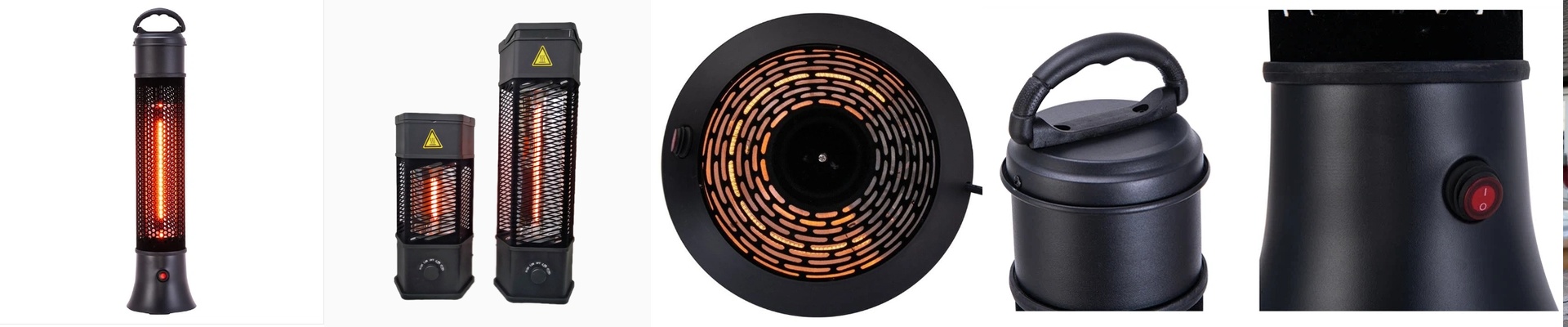
We use shortwave infrared lamps for preheating because they’re fast. Really fast. Unlike medium-wave sources, SWIR punches through the glass surface quickly, which lets us target the ink layer directly. By tweaking the wattage and moving the lamps closer or further away, you can basically “flash-dry” the ink. This stops that annoying smearing you get when the glass slides too quickly into the main furnace.
Keeping the patterns sharp
The heat density is where things get dicey. If you just crank the power to the max right out of the gate, you’re asking for trouble—either the ink discolors or the glass hits thermal shock. I’ve found that a staged approach works best. Start with a low-intensity zone to let the ink settle, then hit it with a high-density zone to get the glass ready for the quench. And please, check your lamp spacing. If you have gaps in your IR array, you get cold spots. Those cold spots create uneven stress, and that’s usually why glass decides to shatter during the cooling phase.
The trade-offs you can’t ignore
High-output lamps are great for keeping the line moving, but that heat doesn’t just stay on the glass. It radiates everywhere. It hits your machine frame, your supports, everything. You’ve got to be serious about your cooling fans and heat shielding. If your chassis gets too hot, your electronics will start to drift. Once that happens, your temperature precision goes out the window. One last thing: keep those quartz tubes clean. It sounds simple, but dust buildup changes how the heat hits the glass. When the lamps get dirty, the temptation is to just pump more voltage into the system to make up for the loss. Don’t do that. You’ll just burn out your filaments way faster than you should.