
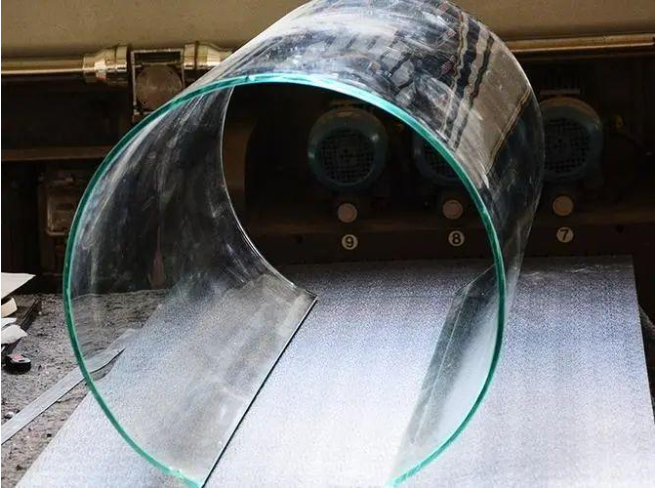
Stop Your Lab Glass from Shattering
Most people think annealing is just about cranking up the heat. It’s actually the opposite. It’s all about how you let the glass cool down. If you’re working with high-precision pieces, any tiny bit of internal stress is a ticking time bomb. One day it’s fine, the next it just… pops. To stop that, we use clear quartz infrared tubes. They hit that sweet spot where the glass settles in and stays stable without warping.
Why that 0.1℃ actually matters
Here’s the thing: standard heaters are clumsy. They tend to overshoot the target. In a lab-grade cycle, a swing of just a few degrees can bake new tension right into the glass. That’s why we pair clear quartz tubes with a high-res PID controller. It keeps things steady within 0.1℃. It gives the molecules enough time to rearrange themselves while the glass is still “plastic.” If your heating loop lags or spikes, you might get stress fractures. The scary part? You won’t even see them until the piece is already out in the field and in someone’s hands.
The magic of clear quartz
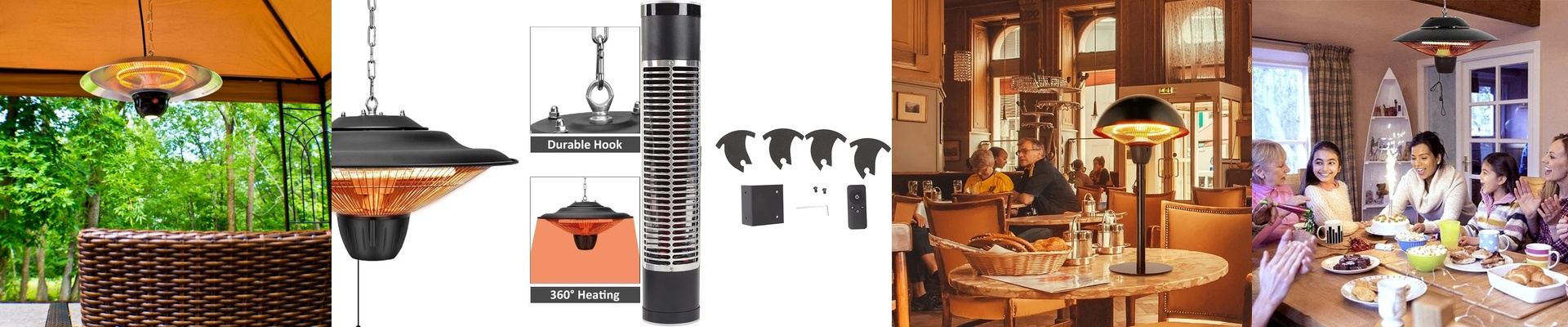
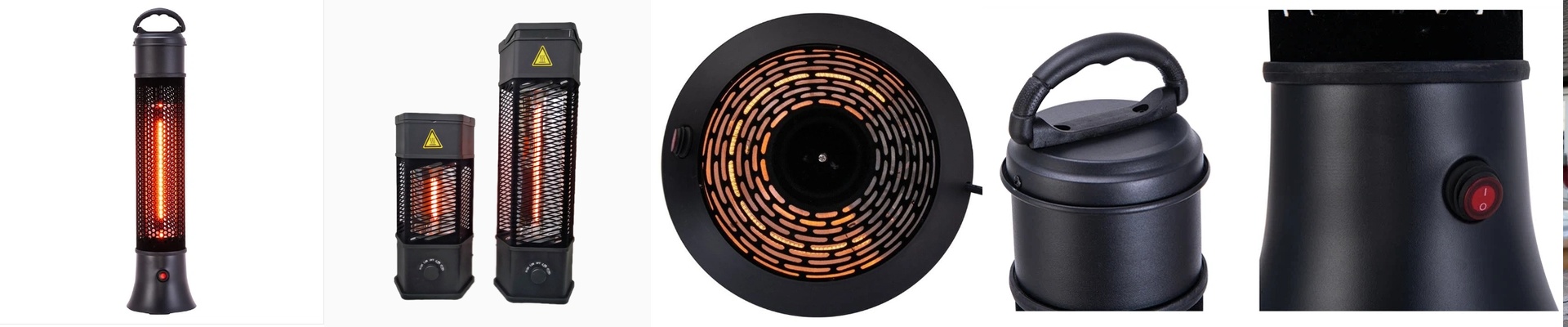
We go with clear quartz because it’s basically a window for infrared light. Some tubes have coatings that bounce heat back toward the filament. Clear quartz doesn’t do that. It lets the IR radiation shoot straight into the glassware. It’s fast. Really fast. This means there’s almost no lag between when you turn up the power and when the glass actually gets hotter. It makes adjusting your ramp rate a breeze.
The trade-offs (The “Gotchas”)
Nothing is perfect. High-precision IR heating is a power hog. You can’t just flip a switch on and off to keep that 0.1℃ stability. You’ll need an SCR or a precision transformer to dial in the wattage exactly. And a heads-up: clear quartz is fragile. I mean really fragile. A single fingerprint or a smudge of oil on the tube can create a hot spot, and that’s how you burn out a tube early. Do yourself a favor—only touch them with lint-free gloves when you’re setting things up. Your equipment will thank you.