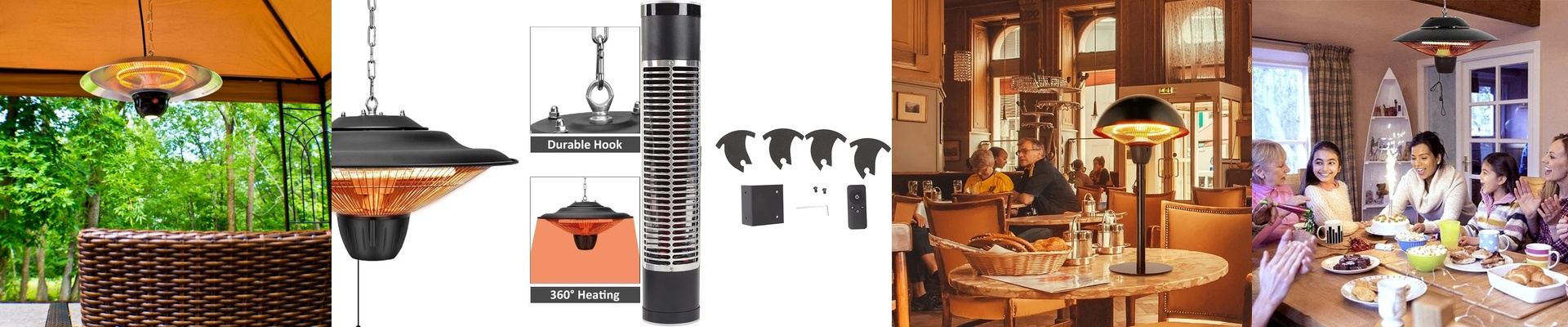

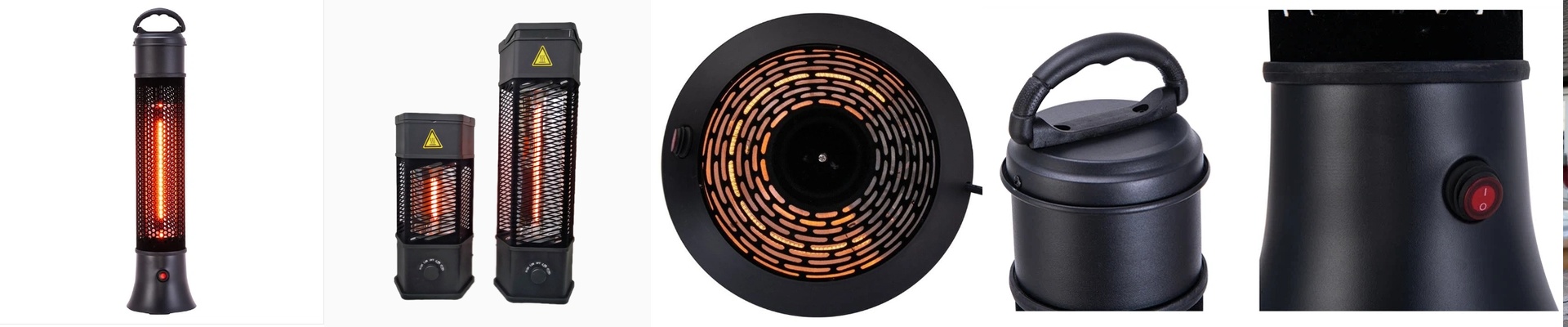

Getting Your Infrared Lamps to Actually Work Anywhere in the World
If you’re shipping a heating system overseas, there is one thing that will kill your lamps faster than anything else: voltage mismatch. It’s a nightmare. You plug it in, and pop—there goes your hardware. That’s why we don’t just stick to the standard 220V. We build our single tube infrared lamps to fit the actual electrical reality of where you’re working, whether that’s 110V, 480V, or 575V.
It’s more than just a different plug
Here is the thing about voltage. You can’t just swap a cord and call it a day. If you want a lamp to hit 2000W, the internals have to change. We have to tweak the length and thickness of the tungsten filament depending on the voltage. A 110V lamp needs a totally different resistive load than a 575V one to get that same searing heat. Plus, if you’re running heavy industrial panels, those high-voltage tubes (480V/575V) are a lifesaver. They pull less current. That means you can use thinner wires and smaller breakers without worrying about your power dropping off across a long cable run. It just makes the whole setup leaner.
The nitty-gritty on materials
We use high-purity quartz glass. Why? Because when things get incredibly hot, cheap glass warps. Quartz stays put. As for the ends, we can do R7s or Sk15 connectors. It really just depends on how you’ve wired your sockets. And if you’re heating a specific material that’s being stubborn, we can add coatings to the quartz. This shifts the heat spectrum so it actually sinks into your material instead of just bouncing off the surface.
A few things to watch out for
High-voltage, high-wattage tubes pack a massive punch. They heat up fast. Really fast. But that intensity comes with a catch. It puts a lot of pressure on your reflectors. If they’re dirty or even slightly crooked, that heat bounces right back into the tube. That’s a one-way ticket to a dead lamp. Make sure your cooling fans and vents are actually up to the task. If the housing gets too hot, your lamps won’t last. Keep them cool, keep your reflectors clean, and they’ll do the job.