Stop Wasting Energy on Glass Annealing
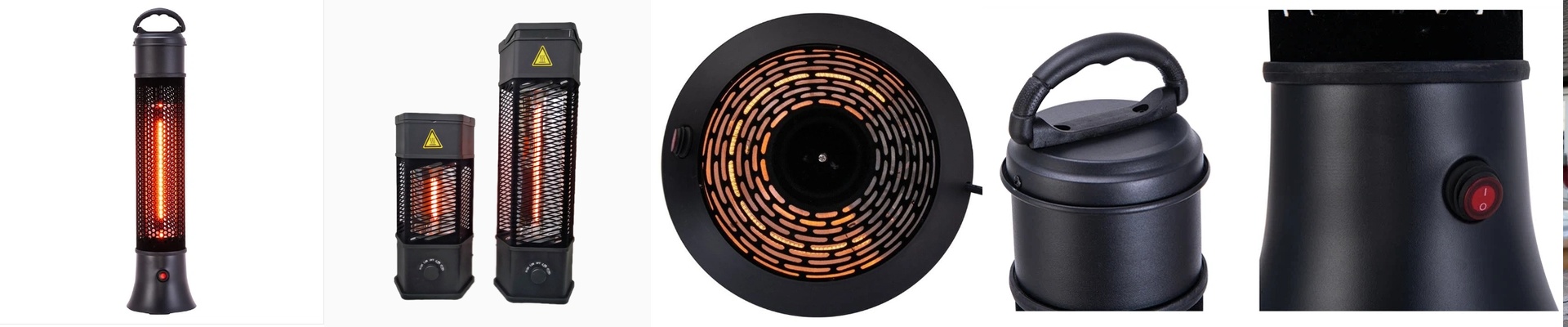
Let’s be honest: annealing is usually the biggest energy hog in the entire production line. It’s a constant drain on the budget. We wanted to fix that, so we built our quartz halogen emitters to tackle that specific problem. The secret is moving away from old-school resistive heating and switching to short-wave infrared (SWIR).
How the heating actually works
These bulbs use a tungsten filament tucked inside high-purity quartz. There’s a halogen cycle happening inside that stops the tungsten from gunking up the walls. This keeps the bulb clear and the heat steady for thousands of hours. Here is the real difference: long-wave heaters spend a lot of time just warming up the air. But short-wave IR? It goes straight into the glass. It’s direct. This means you aren’t wasting money heating up the oven chassis or the air around it. You get to your target temperature much faster.
The technical side (and the trade-offs)
We build these for high power density. Depending on how much space you have, we can do different lengths and wattages. Now, high-wattage tubes pack a serious punch. They’re powerful. But you have to make sure your wiring and power supply can actually handle the draw. If you don’t, you’ll deal with voltage drops. And if you’re running high voltage, keep a close eye on your PID tuning. If you overshoot the temperature, you’re looking at thermal shock or warped glass. Nobody wants that.
Getting them installed
We use standard connectors, so these are basically drop-in replacements. Whether you’re using R7s or SK15 sockets, the fit is snug. No loose connections, no arcing. To really make these work, you’ve got to get the distance right between the bulb and the glass. Too close and you’ll get hot spots. Too far and you lose all those efficiency gains we talked about. One pro tip: use a reflective backing. It bounces the wasted radiation back onto the glass, which is a simple way to shave a lot off your annual power bill.