

How to Handle Thermal Shock in Glassware (Without Breaking Everything)
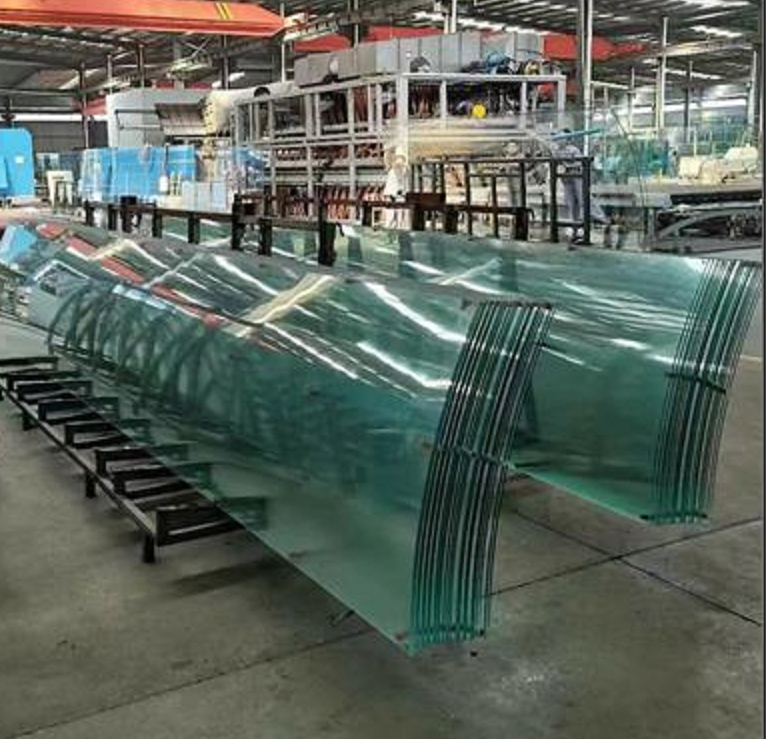
Tempering glass is always a bit of a tightrope walk. You need to get it hot, and you need to do it fast, but if you push too hard, the glass just snaps. On the flip side, if you play it too safe and go slow, your production line crawls. We’ve found that gold-coated short-wave IR lamps are the best way to solve this. They let you dial in the heat exactly when you need it. Why the gold coating actually matters Most quartz lamps just throw out a broad mix of heat. But when we add that thin layer of gold to the quartz, it acts like a mirror, bouncing the long-wave radiation back into the filament. What does that do for you? It pushes the output into the short-wave spectrum. Short-wave IR doesn’t just sit on the surface; it sinks deep into the glass quickly. This means you hit those tempering temperatures in seconds. You spend way less time in that “danger zone” where the glass is expanding and waiting to crack. Controlling the heat on the fly The real secret to avoiding thermal shock is how fast you can kill the power or crank it up. These lamps are built for rapid cycling. If you pair them with a high-frequency SCR or a fast-switching power supply, the response is nearly instant. We’re talking milliseconds. It’s a huge relief. You can ramp the power up or down so the surface of the glass doesn’t get scorched while the core is still freezing. It keeps everything balanced. A few things to watch out for Now, this much energy in one place creates some heat—a lot of it. You can’t just slap these in and forget about them. You’ve got to make sure your cooling fans and housing can actually handle the reflected heat. If your airflow is weak, you’re going to melt your wiring or burn out the ends of the lamps. It’s a mess you don’t want to clean up. One last tip: check your connectors. A loose fit at the terminals creates a hot spot, and that’ll eat through the gold coating over time. Keep your contacts clean and tight, and the lamps will stay stable.