


Getting the Voltage Right for Glass Stress Removal
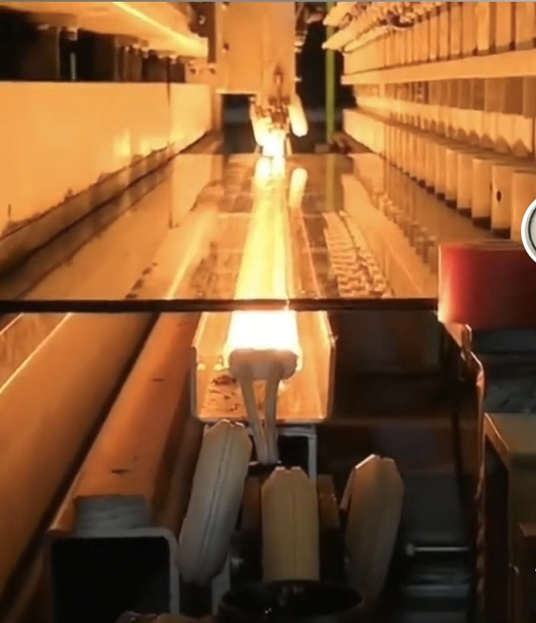
If you’ve ever worked with tempered glass, you know the stakes. One wrong move with your thermal profile and you’re looking at a pile of shattered glass or a warped mess. To avoid that, we use shortwave infrared (IR) heating to push heat deep into the glass, and we do it fast. But here’s the real headache for engineers: the power grid. It sounds basic, but it’s a nightmare. If you plug a lamp designed for 110V into a 480V line, it doesn’t just “not work.” It burns out instantly. Boom. Done.
The Trade-off Between Volts and Heat
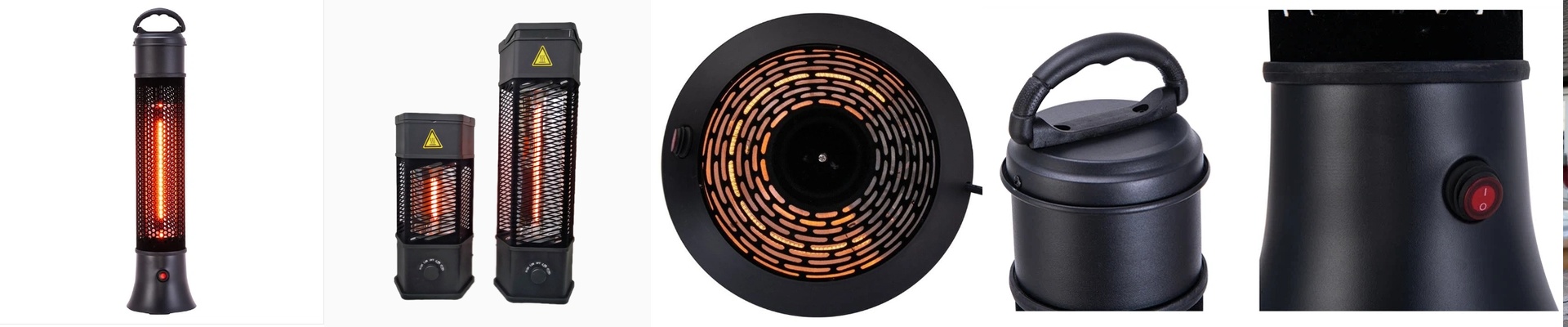
We build our IR lamps to fit whatever your plant is running—usually 110V, 480V, or 575V. It’s not just about making sure the plug fits. It’s about how much current you’re pulling. When you go with high-voltage lamps (like 480V or 575V), you get a ton of wattage and intense heat without needing massive, chunky cables that get in the way and clutter up your machine. Now, 110V setups are great for small lab ovens. They’re simple. But once you scale up to a full production line, those low-voltage lamps pull way too many amps. To keep your power distribution from becoming a chaotic mess of wires, you’ll want the high-voltage options.
The Nitty-Gritty of Installation
When we change the voltage, we’re actually changing the physical build of the lamp—specifically the length and diameter of the tungsten filament. A 575V lamp just doesn’t resist electricity the same way a 110V one does. Some people try to fix this with transformers. Honestly? Don’t. If you have a huge array of lamps, adding a transformer to every single one is expensive and takes up way too much space. It’s much easier to just use drop-in replacements that match your existing power rails. One thing to watch out for: those high-voltage lamps gethot. I mean, really hot. Make sure your cooling fans and shielding are up to the task. If your housing can’t breathe and shed that ambient heat, you’re going to fry your connectors or damage the ends of the lamps.
Moving Your Line Across the Globe
This is where things usually fall apart. You move a production line from North America to Europe or Asia, the voltage shifts, and suddenly nothing works. We handle the adaptation for you so you don’t have to tear apart and redesign your entire heating chamber. You get the same heat penetration and the same wavelength, whether your plant is running on 110V or 575V. It just works.