


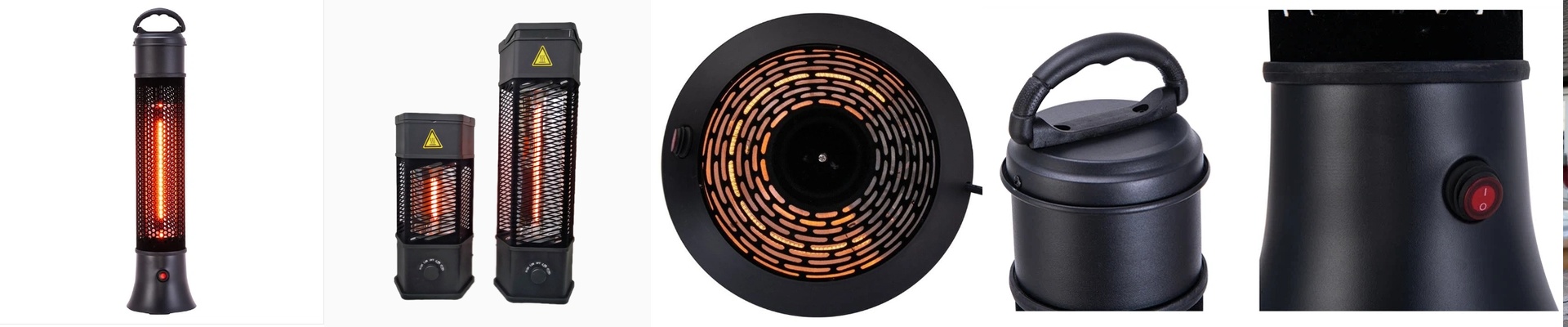
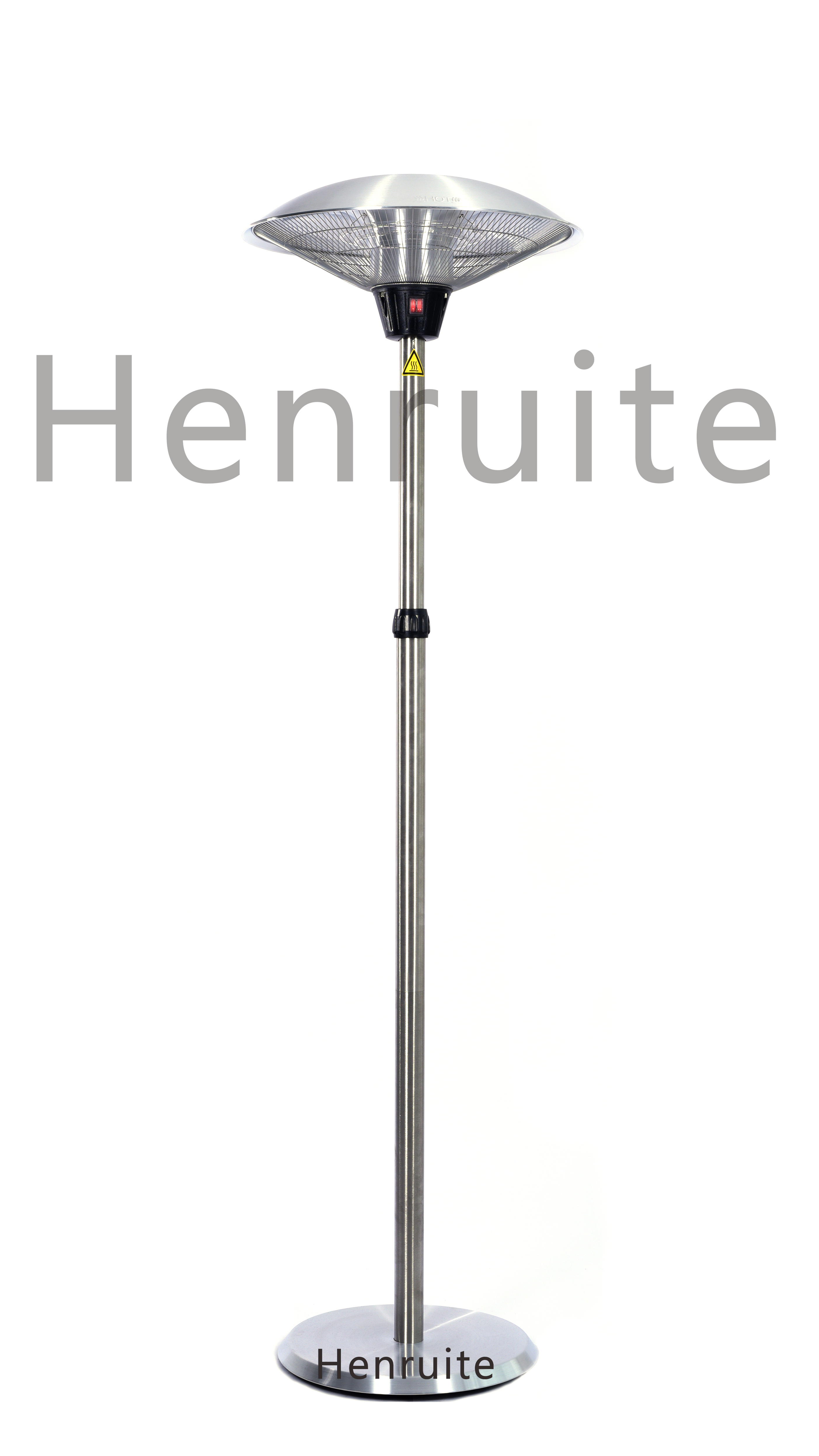
A cold attic does more than make a home feel drafty. It stalls projects, stiffens joints, and pushes warm air down, forcing the main system to run nonstop just to keep up. Step into an attic space heater that uses infrared warmth, and the difference hits right away—heat lands on surfaces and people, not just the air. It feels like stepping into sunlight on a cool morning: fast, directional, and genuinely comfortable.
What matters, technically
Infrared attic heaters deliver radiant heat, the same way the sun warms the earth. The core is a high-efficiency emitter—usually a carbon fiber element or a quartz tube—built to produce a broad, comfortable spectrum of infrared warmth. Most models run on a standard 120V household circuit, so installation stays straightforward, and they only draw power when heat is needed. A built-in thermostat holds the space at your set point, while tip-over protection and overheat protection add a practical safety layer. Look for an IP rating that suits indoor use with occasional humidity, and a protective grille that stays cool to the touch.
Why it works so well in an attic
Attics are tough to heat. They’re drafty, exposed, and often poorly insulated. Conventional heaters warm air that rises and slips right out through gaps. Infrared warmth targets the objects and people in the space, so comfort arrives faster—often within seconds. That means you can work, store gear, or spend time up there without waiting for the room to “fill” with heat. Because the heater doesn’t have to move big volumes of air, it can be quieter and more focused. It also helps prevent the main heating system from endlessly cycling to compensate for a cold zone.
The practical stuff to get right
Plan on a dedicated outlet, and keep clearances open around the unit—no stacking stored items right next to it. Infrared heat is line-of-sight, so aim the heater to cover your primary work or seating areas. If the attic is large or oddly shaped, a single unit can leave some corners cooler. Pairing it with a small fan can help distribute warmth more evenly, but the heater itself should still be placed where you need direct comfort most.
ห้องใต้หลังคาที่เย็นไม่ได้ทำให้บ้านรู้สึกมีลมพัดผ่านเท่านั้น แต่ยังทำให้โครงการต่าง ๆ ชะงักข้อต่อเกิดความแข็ง และผลักอากาศร้อนลงล่าง ทำให้ระบบหลักต้องทำงานตลอดเวลาเพื่อรักษาอุณหภูมิ เข้าใช้เครื่องทำความร้อนสำหรับห้องใต้หลังคาที่ใช้ความร้อนอินฟราเรด และจะรู้สึกถึงความแตกต่างทันที—ความร้อนจะตกลงบนพื้นผิวและตัวบุคคล ไม่ใช่แค่อากาศ รู้สึกเหมือนเข้าไปยืนในแสงแดดยามเช้าที่เย็น: รวดเร็ว มีทิศทาง และสบายโดยแท้จริง
สิ่งที่สำคัญในเชิงเทคนิค
เครื่องทำความร้อนสำหรับห้องใต้หลังคาแบบอินฟราเรดส่งมอบความร้อนแบบแผ่รังสี เหมือนกับที่ดวงอาทิตย์ให้ความร้อนกับโลก ส่วนประกอบหลักคืออุปกรณ์แผ่ความร้อนประสิทธิภาพสูง—โดยทั่วไปจะเป็นเส้นใยคาร์บอนหรือหลอดควอตซ์—ที่ออกแบบมาเพื่อสร้างสเปกตรัมความร้อนอินฟราเรดที่กว้างและสบายตา รุ่นส่วนใหญ่ใช้งานกับวงจรไฟฟ้ากระแสสลับ 120V มาตรฐานในบ้าน ทำให้การติดตั้งไม่ซับซ้อน และกินไฟเฉพาะเมื่อจำเป็นต้องให้ความร้อน
เทอร์โมสตัทในตัวควบคุมอุณหภูมิพื้นที่ตามค่าที่ตั้งไว้ ในขณะที่ระบบป้องกันการล้มและการป้องกันความร้อนเกินเพิ่มความปลอดภัยในทางปฏิบัติ ควรมองหาค่าระดับ IP ที่เหมาะกับการใช้งานภายในอาคารที่มีความชื้นเป็นบางครั้งและตะแกรงป้องกันที่สัมผัสแล้วไม่ร้อน
ทำไมจึงได้ผลดีในห้องใต้หลังคา
ห้องใต้หลังคาทำความร้อนได้ยาก เพราะมีลมผ่านมาก เปิดเผย และมักฉนวนไม่ดี เครื่องทำความร้อนแบบทั่วไปจะทำความร้อนอากาศ ซึ่งจะลอยขึ้นและรั่วไหลผ่านช่องว่าง ความร้อนอินฟราเรดมุ่งเป้าไปที่วัตถุและบุคคลในพื้นที่ ทำให้ความสบายมาถึงเร็วกว่า—มักใช้เวลาเพียงไม่กี่วินาที
นั่นหมายความว่าสามารถทำงาน เก็บอุปกรณ์ หรือใช้เวลาในที่นั้นได้โดยไม่ต้องรอให้ห้อง “เต็ม” ด้วยความร้อน เนื่องจากเครื่องทำความร้อนไม่จำเป็นต้องเคลื่อนย้ายปริมาณอากาศจำนวนมาก จึงทำงานเงียบและมีเป้าหมายมากขึ้น นอกจากนี้ยังช่วยลดการทำงานซ้ำของระบบทำความร้อนหลักเพื่อชดเชยพื้นที่เย็น
สิ่งที่ต้องทำให้ถูกต้องในทางปฏิบัติ
วางแผนสำหรับเต้ารับเฉพาะ และรักษาระยะห่างรอบเครื่องไว้—ห้ามวางสิ่งของกองไว้ติดกัน เครื่องทำความร้อนอินฟราเรดเป็นแบบเส้นสายตามทิศทาง ดังนั้นควรตั้งเป้าเครื่องทำความร้อนให้ครอบคลุมพื้นที่ทำงานหรือที่นั่งหลัก
ถ้าห้องใต้หลังคามีขนาดใหญ่หรือรูปทรงผิดปกติ เครื่องเดียวอาจทำให้บางมุมเย็นลง การจับคู่กับพัดลมขนาดเล็กช่วยกระจายความร้อนได้สม่ำเสมอมากขึ้น แต่เครื่องทำความร้อนควรวางไว้ในจุดที่ต้องการความสบายโดยตรงมากที่สุด