Introduction
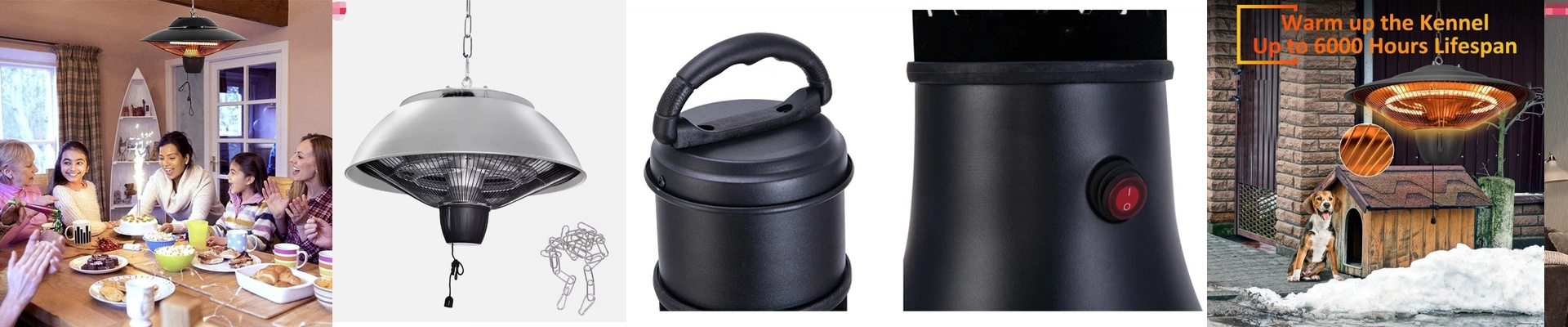
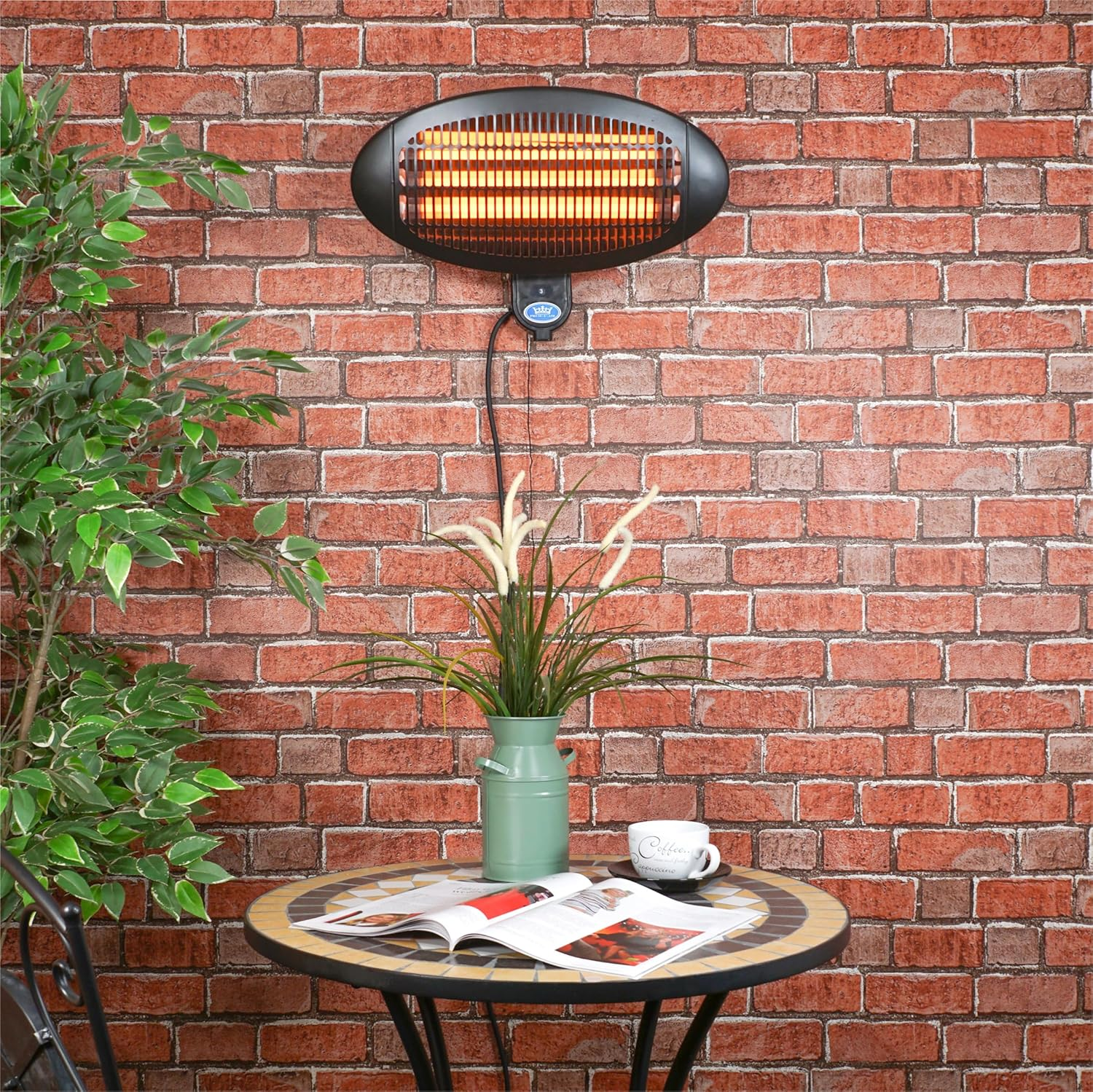
Here’s the thing about our wall-mounted infrared fireplaces: they’re not meant to slowly warm the whole room. They’re built to do something much more direct. They’re all about giving you focused, instant heat exactly where you need it. No waiting around, no wasted energy heating empty air. It’s a straight line of warmth, straight to you. And because it works that way, how and where you install it really matters. The height and angle you choose directly shape how the heat feels and how efficiently it works.
Technical Deep-Dive: Power and Placement
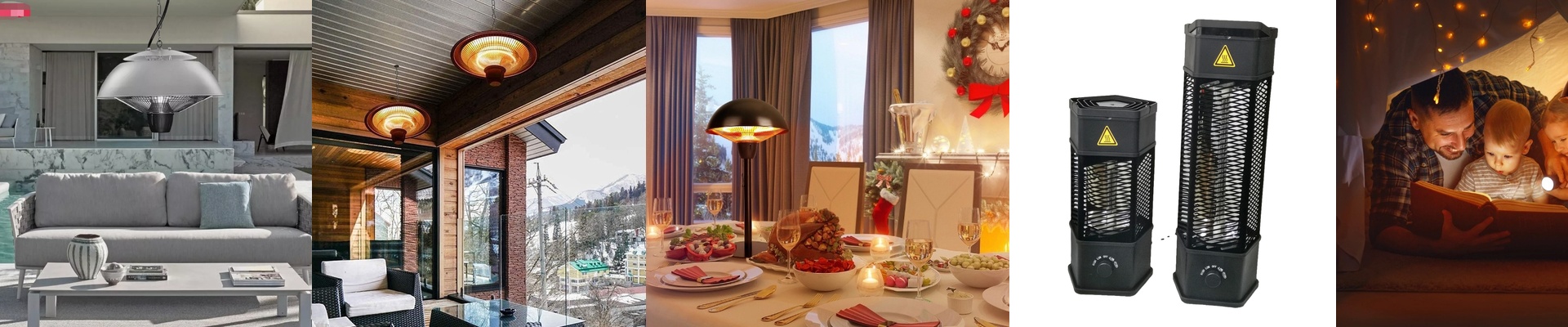
The way infrared works is pretty straightforward. The farther away you are, the less heat you feel. And that drop-off isn’t subtle. Let me put it this way: if you have a standard 2000W unit, the heat it delivers at 2 meters is one thing. But if you cut that distance in half, the energy you feel doesn’t just double—it quadruples. That’s why nailing the height is so important. For homes, we set the mounting height between 2.1 and 2.4 meters. This keeps the heat right where you need it—on the floor and at your level—without blasting the ceiling and creating hot spots. Then, we tilt the unit down, just 15 to 25 degrees. That angle spreads the beam out perfectly, so the warmth lands exactly where you want it.
Material and Design Specifics
The heart of the whole thing is a halogen-filled quartz tube. It heats up fast and throws out serious warmth. The filament inside is tough, too—built to handle the shock of turning on and off again and again. And that R7s base connector? It’s the standard for a reason. It gives you a solid, high-power connection that’s easy to wire up. It stays secure even with a little vibration, so you don’t have to worry about arcing or connections failing over time.
Application and Performance Trade-offs
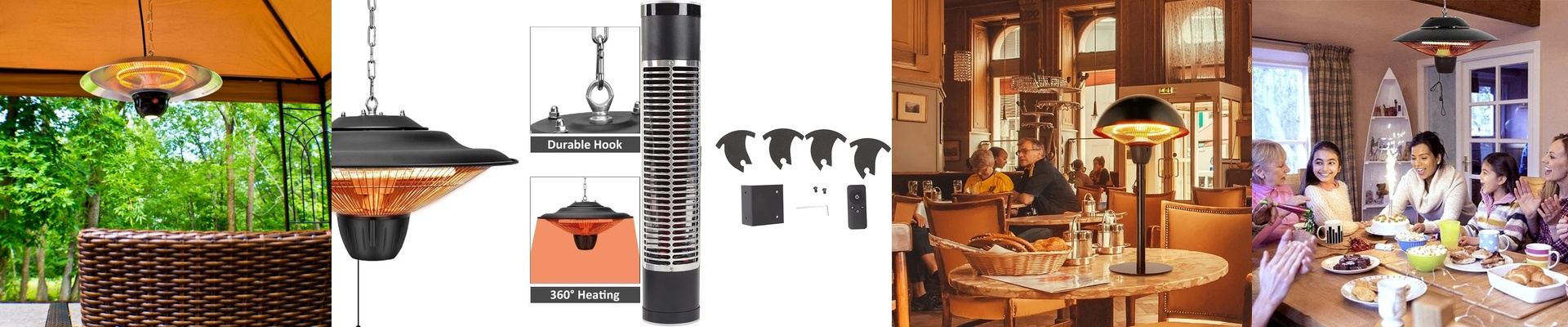
We built this for folks who need predictable, powerful heat in a small space. The best part? You feel the warmth the instant it turns on. No pre-warming, no waiting for the air to catch up. But with that kind of power, there are a few things to keep in mind. You need to make sure it has plenty of clearance from anything that can burn, and it needs its own dedicated circuit. And that height we talked about? It’s not just a suggestion. It’s a must. Get it right, and you have a solution that’s reliable, efficient, and just plain works. Get it wrong, and you’ll end up wasting energy and fighting uneven heat.