
Introduction
Here’s the thing: we built these 12V and 24V electric heaters for one reason—to get heat right where you need it, fast. Forget those bulky oil-filled radiators that just aren’t practical in a lot of spaces. And honestly, the real question on the shop floor isn’t just about getting warm. It’s about what hits your wallet. If you switch to an infrared heater and feel just as cozy, how much are you actually saving on the electric bill?
Power, Voltage, and Output: The Simple Truth
We went with 12V and 24V because they plug straight into what you’re already using—trucks, RVs, battery-powered gear. No need for extra inverters or transformers. That means less stuff to go wrong and less energy lost along the way. But the real magic is how the heat works. Infrared heaters don’t warm the air like an oil-filled radiator does. They send heat straight out as radiation, like sunshine, and it warms people and objects directly. It’s line-of-sight, pure and simple. An oil heater, on the other hand, has to slowly heat up a whole room full of air. It’s a slower, messier process, and you lose a ton of heat as that warm air just rises and disappears.
The Secret Behind the Efficiency
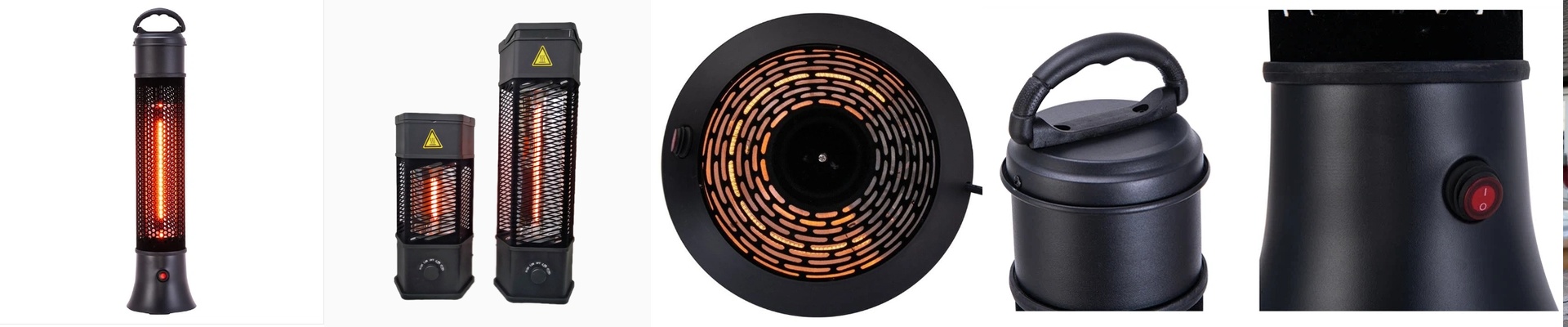
It all comes down to the design. Inside, we use a halogen element inside a tough quartz tube. The quartz handles extreme heat without cracking, and the halogen cycle keeps the element clean, so it lasts longer. The best part? You’re not wasting energy heating empty space. You’re heating the target—the person, the work surface, the seat. That’s why you get that same feeling of warmth, but without the same energy draw.
Real Heat. Real Savings.
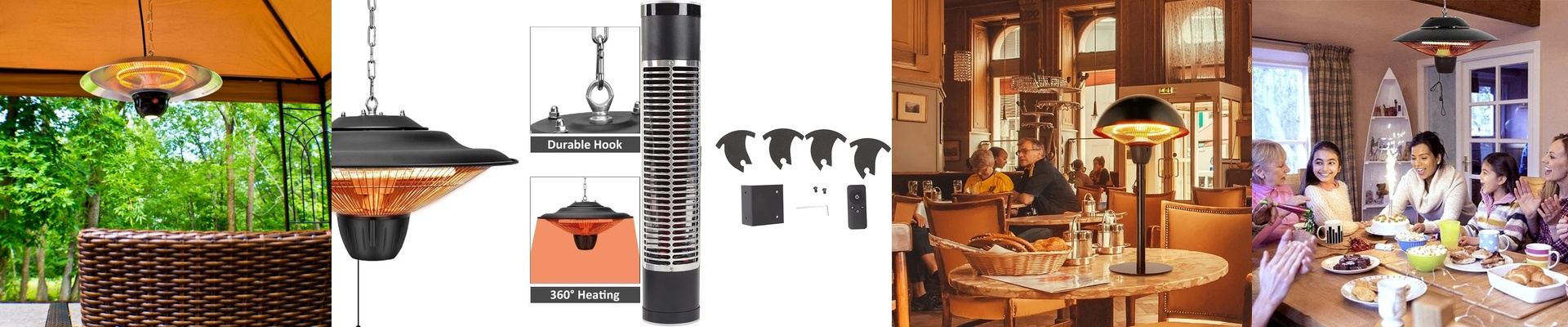
Step into a workshop, a warehouse, or even a truck cab, and you feel the difference immediately. The heat is there the second you turn it on. No waiting. No lag. And the savings? They’re real. For the same amount of wattage, an infrared heater puts more of its energy into usable, directional heat. An oil heater spreads its warmth more thinly and loses a lot to the environment. Now, there is a trade-off. Infrared heat is directional, so you need to point it where you want the warmth. But for focused work areas? That’s exactly what makes it such a smart, cost-effective way to keep your team warm without burning through electricity.