
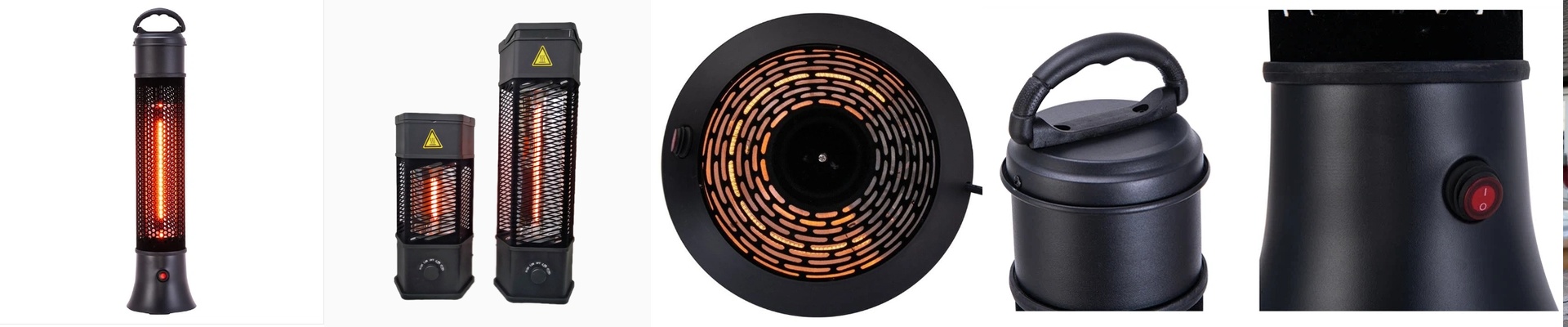


Out on the cold end of the line, the dryer isn’t a “nice-to-have.” It’s the gatekeeper of yield. If the film cures unevenly, you’re staring down haze, adhesion loss, and scrap that shows up as optical distortion after tempering or bending. Underperforming heaters stall the line, and thermal hot spots can crack glass before it even makes it to inspection. We built our cold-end coating dryer to live in that reality.
L’asciugatore nella zona di fine linea non è un “optional”. È il controllore della resa. Se il film si polimerizza in modo non uniforme, si rischiano opacità, perdita di adesione e scarti che si manifestano come distorsioni ottiche dopo il tempra o la piegatura. Riscaldatori che non performano rallentano la linea, e punti caldi termici possono causare crepe nel vetro prima ancora che arrivi all’ispezione. Il nostro asciugatore per rivestimenti a fine linea è progettato per operare in queste condizioni.
The unit uses near-infrared (NIR) emitters with a quartz envelope, dumping energy straight into the coating without heating the surrounding air. That gives you a tight thermal profile across the width of the glass, so you cure faster with less thermal stress. Input power is matched to line speed and glass thickness, and the module fits standard mounting footprints for retrofits. Expect repeatable temperature control, low maintenance, and consistent output shift after shift.
L’unità utilizza emettitori a infrarossi vicini (NIR) con involucro in quarzo, erogando energia direttamente nel rivestimento senza riscaldare l’aria circostante. Questo garantisce un profilo termico preciso lungo tutta la larghezza del vetro, consentendo una polimerizzazione più rapida con minori stress termici. La potenza in ingresso è tarata in base alla velocità di linea e allo spessore del vetro, e il modulo si adatta a ingombri standard per retrofit. Si ottiene un controllo della temperatura ripetibile, bassa manutenzione e produzione costante turno dopo turno.
On the floor, that translates to shorter drying windows, higher throughput, and fewer quality escapes. Energy use drops because the energy goes where it matters—into the film—not into heating the plant. Safety is better, too, because the system heats on demand and cools quickly, cutting idle heat near the conveyor and making the work area more predictable.
Sul campo, questo si traduce in finestre di asciugatura più brevi, maggiore produttività e meno scarti qualitativi. Il consumo energetico diminuisce perché l’energia viene indirizzata dove serve—nel film—e non nel riscaldamento dell’impianto. Anche la sicurezza migliora, poiché il sistema riscalda su richiesta e si raffredda rapidamente, riducendo il calore residuo vicino al nastro trasportatore e rendendo l’area di lavoro più prevedibile.
Installation is straightforward, but alignment is non-negotiable. The emitter array has to be parallel to the glass surface, with the right standoff distance to avoid hot spots. Get that wrong, and you’re asking for uneven cure and film waviness. Plan for clean power and enough ventilation around the module. Then run a short qualification pass with your coating formulation to lock in speed, temperature, and spacing.
L’installazione è semplice, ma l’allineamento è imprescindibile. La matrice di emettitori deve essere parallela alla superficie del vetro, con la corretta distanza di stacco per evitare punti caldi. Un errore in questo senso comporta polimerizzazione irregolare e ondulazioni del film. Prevedere alimentazione pulita e adeguata ventilazione attorno al modulo. Eseguire quindi una breve prova di qualificazione con la formulazione del rivestimento per definire velocità, temperatura e distanza.
Once it’s set, the dryer just becomes another fixed process parameter—one less variable you have to chase on the floor.
Una volta impostato, l’asciugatore diventa un parametro di processo fisso—una variabile in meno da gestire in produzione.