
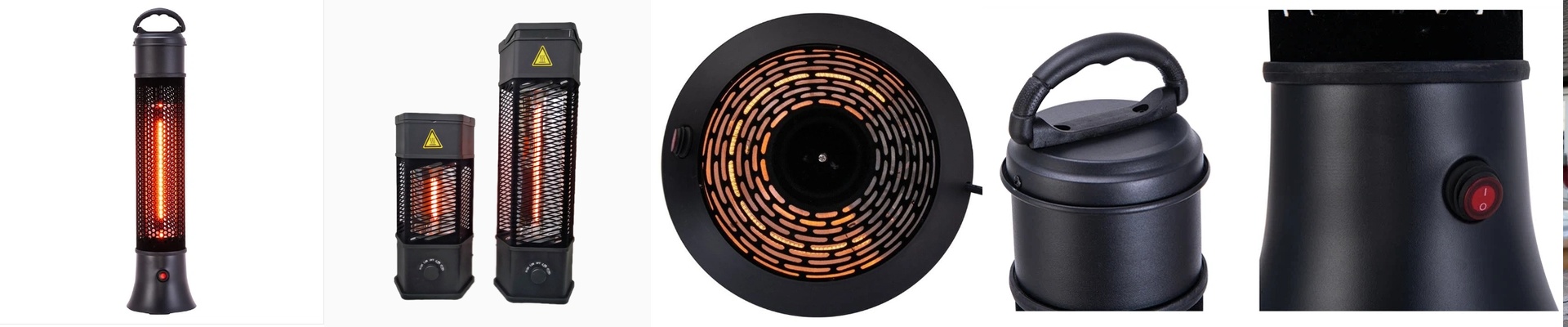


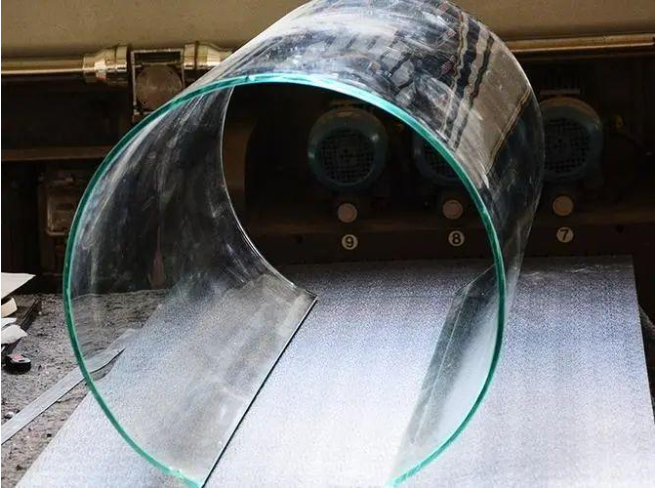
Out on the cold end of the line, the dryer isn’t a “nice-to-have.” It’s the gatekeeper of yield. If the film cures unevenly, you’re staring down haze, adhesion loss, and scrap that shows up as optical distortion after tempering or bending. Underperforming heaters stall the line, and thermal hot spots can crack glass before it even makes it to inspection. We built our cold-end coating dryer to live in that reality. در انتهای سرد خط، خشککن یک «وسایل اضافی» نیست. این دستگاه نگهبان میزان بازده است. اگر فیلم بهصورت غیر یکنواخت پخته شود، با مشکلاتی مانند کدری، از دست رفتن چسبندگی و ضایعاتی مواجه خواهید شد که پس از عملیات سختکاری یا انحنا به صورت انحرافات اپتیکی ظاهر میشوند. گرمکنهای ضعیف خط را متوقف میکنند و نقاط داغ حرارتی ممکن است پیش از رسیدن شیشه به مرحله بازبینی، آن را ترکدار کنند. خشککن پوششدهی انتهای سرد ما برای کار در این شرایط طراحی شده است.
The unit uses near-infrared (NIR) emitters with a quartz envelope, dumping energy straight into the coating without heating the surrounding air. That gives you a tight thermal profile across the width of the glass, so you cure faster with less thermal stress. Input power is matched to line speed and glass thickness, and the module fits standard mounting footprints for retrofits. Expect repeatable temperature control, low maintenance, and consistent output shift after shift. این دستگاه از تابشدهندههای مادونقرمز نزدیک (NIR) با پوشش کوارتز استفاده میکند که انرژی را مستقیماً وارد پوشش میکند بدون اینکه هوای اطراف را گرم کند. این امر پروفایل حرارتی دقیقی در عرض شیشه ایجاد میکند که باعث پخت سریعتر و کاهش تنش حرارتی میشود. توان ورودی متناسب با سرعت خط و ضخامت شیشه تنظیم میشود و ماژول با استانداردهای نصب رایج برای بهروزرسانیهای دستگاه سازگار است. کنترل دمای تکرارپذیر، نگهداری کم و خروجی یکنواخت در هر شیفت قابل انتظار است.
On the floor, that translates to shorter drying windows, higher throughput, and fewer quality escapes. Energy use drops because the energy goes where it matters—into the film—not into heating the plant. Safety is better, too, because the system heats on demand and cools quickly, cutting idle heat near the conveyor and making the work area more predictable. در کارگاه، این موضوع به معنی کاهش زمان خشک شدن، افزایش ظرفیت تولید و کاهش معیوبهای کیفی است. مصرف انرژی کاهش مییابد زیرا انرژی صرف نقطه مورد نیاز—یعنی فیلم—میشود و نه گرم کردن فضای کارخانه. ایمنی نیز بهبود مییابد، زیرا سیستم بر اساس نیاز گرم میشود و سریع خنک میشود که گرمای ذخیرهنشده در نزدیکی نوار نقاله را کاهش داده و محیط کار را قابل پیشبینیتر میکند.
Installation is straightforward, but alignment is non-negotiable. The emitter array has to be parallel to the glass surface, with the right standoff distance to avoid hot spots. Get that wrong, and you’re asking for uneven cure and film waviness. Plan for clean power and enough ventilation around the module. Then run a short qualification pass with your coating formulation to lock in speed, temperature, and spacing. نصب دستگاه ساده است، اما تراز بودن الزامی است. آرایه تابشدهنده باید موازی با سطح شیشه باشد و فاصله مناسبی برای جلوگیری از نقاط داغ حرارتی حفظ شود. در صورت عدم رعایت این موارد، پخت ناهمگن و موجدار شدن فیلم اتفاق میافتد. برنامهریزی برای برق پاک و تهویه کافی اطراف ماژول ضروری است. سپس یک آزمون کوتاه با فرمولاسیون پوششدهی خود انجام دهید تا سرعت، دما و فاصله بهینه تثبیت شود.
Once it’s set, the dryer just becomes another fixed process parameter—one less variable you have to chase on the floor. زمانی که تنظیمات انجام شد، خشککن به یک پارامتر فرایندی ثابت تبدیل میشود—یک متغیر کمتر که در کارگاه باید دنبال شود.