

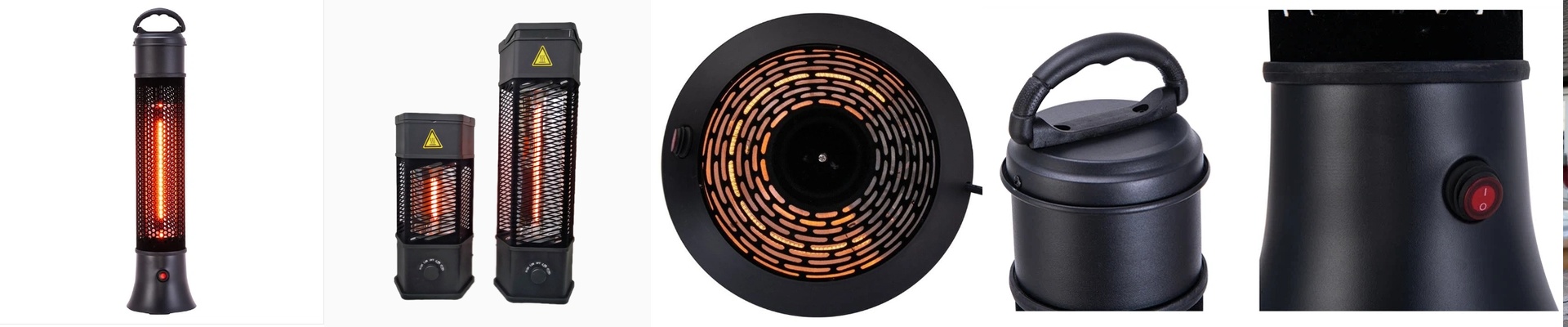


Getting Your Quartz Lamps to Play Nice With Your Power Grid
If you’re dealing with short wave infrared (SWIR) quartz lamps, you know they’re basically heat monsters. They pack a ton of energy into a very tight wavelength, which is great for getting things hot fast. But for anyone running production lines across different countries, the real headache isn’t the heat—it’s the power.
The Voltage Headache: 110V to 575V
Here’s the thing about voltage: it’s not something you can just “wing.” A 110V tube is fine for the light stuff. But if you’re in a big industrial plant in the US or Europe, you’re likely looking at 480V or 575V. If the voltage is off, you’re in trouble. Too low? You won’t get the heat you need, and your production slows to a crawl. Too high? You’ll watch that tungsten filament pop in a matter of seconds. It’s a mess. To fix this, we tweak the length and thickness of the filament to match your specific grid. It means you get the exact wattage you need without having to cram those massive, clunky transformers into your machine. More room, less stress.
Quartz and the Heat Load
We use high-purity quartz because this stuff has to survive some serious thermal shock. Because short wave radiation sinks deep into materials, these lamps are perfect for things like PET blowing or fast-cure jobs where you can’t afford to wait around. You’ve got two choices here: clear or coated. Coated tubes are great because they bounce the heat back toward your workpiece, which makes them more efficient. Just be careful. That coating is a bit delicate. If you’re rough with them during install, they can crack.
Power vs. Cooling: The Balancing Act
High-voltage, high-wattage tubes give you incredible heat density. It makes your cycle times fly. But there’s a catch. That kind of intensity puts a lot of pressure on your housing and reflectors. If your fans aren’t moving enough air or your cooling paths are blocked, your lamps are going to burn out way faster than they should. Before you wire up a 575V array, do yourself a favor: double-check your current draw and make sure your cooling system can actually handle the heat. It’ll save you a lot of downtime later.