


Making Infrared Heaters That Actually Feel Good
When you’re putting together infrared heaters for a bathroom or a backyard pergola, you run into a tricky problem. You want enough heat to actually keep someone warm in a breezy open space, but you don’t want to blind them in the process. Nobody wants a heater that feels like a stadium floodlight—especially if there are babies or kids around.
Dealing with the Glare
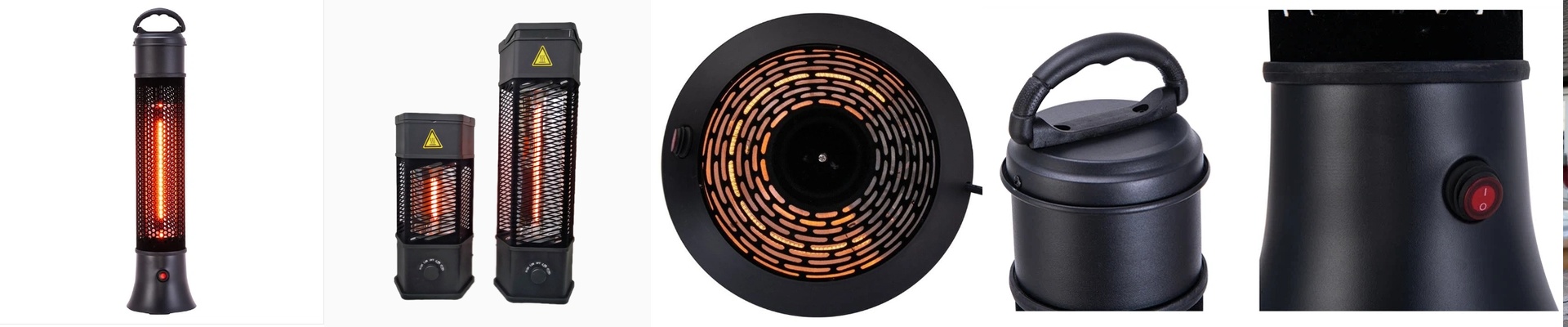
Standard short-wave lamps are aggressive. They’re blinding. That’s because the filaments get so hot they start spitting out visible light and near-UV rays. It’s harsh on the eyes. To fix this, we use special coatings or filtered quartz glass. Think of it as a bodyguard for your eyes. It blocks the high-frequency light that causes that annoying glare but lets the cozy, thermal energy slide right through. We aim for a “soft light” feel. It’s not about making it look pretty; it’s about making sure you aren’t straining your retinas just to stay warm. You get the heat, but you lose the blinding white flash.
Steam, Rain, and Rough Weather
Bathrooms and pergolas are tough environments. Between the steam and the rain, electronics usually hate these spots. We handle this by sealing everything up tight. We use high-temp silicone or epoxy potting on the connections so you don’t have to worry about a short circuit. And the heating element? We wrap it in a heavy-wall quartz tube. That way, if a splash of cold water hits a scorching hot surface, the glass doesn’t just shatter. It holds up.
The Trade-off
Here’s the catch: filtering that light costs you a bit of power. When you block the visible light to keep things safe, you lose a tiny slice of the total energy. Because of that, you’ll want to bump up your wattage a notch to make up for what the filter absorbs. If you’re installing these in a pergola with high ceilings, just make sure your power supply can handle the extra load. Otherwise, it won’t feel quite as warm as you’d hope.